
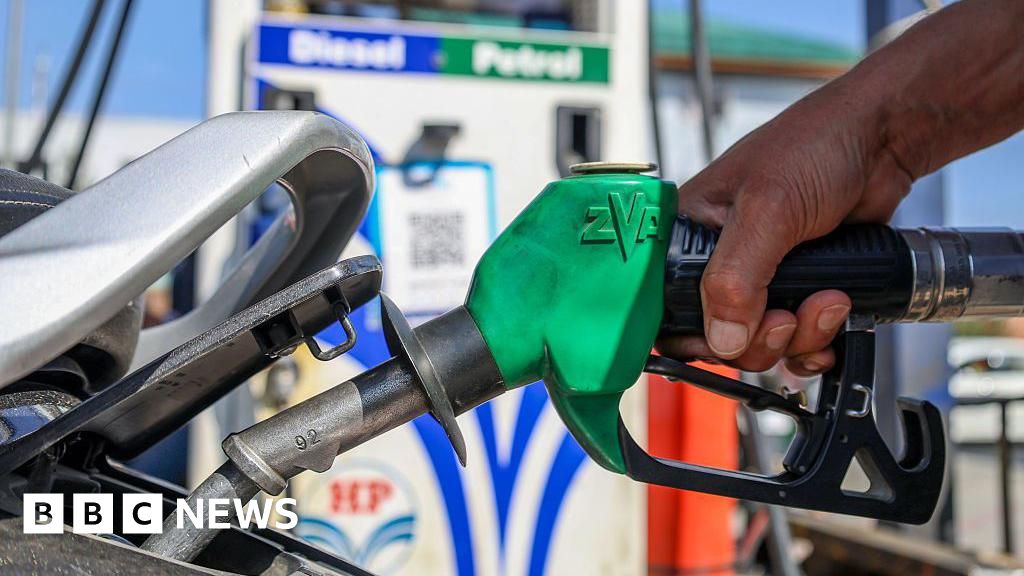
Brent crude, the global oil benchmark, dropped 4.7% to $83.24 (£61.94) a barrel, and shares in Asia and Europe jumped in reaction to the deal. Pakistan, which has been mediating an end to the US-Iran war, said an official signing ceremony would be held on Friday, 19 June in Switzerland. Iran's deputy foreign minister Kazem Gharibabadi confirmed in a phone call on state TV that a deal with the US had been finalised, while Trump posted on social media "let the oil flow!". But Vandana Hari from energy markets analysis firm Vanda Insights said a lack of detail on what has been agreed was "likely to inject unease and uncertainty into the market". This could mean a week of uncertainty and volatility for the oil market, she added. The Strait of Hormuz has been effectively closed since shortly after the US and Israel launched airstrikes on Iran on 28 February. After the conflict began, Tehran threatened to attack vessels using the crucial waterway, through which around 20% of the world's oil and liquefied natural gas (LNG) normally passes. Global energy markets have been on a wild ride in recent months, with prices often rising or falling sharply in response to developments in the US-Israel war with Iran. Brent crude, which was trading at around $70 a barrel before the conflict started, peaked at about $120 during the war. Asian stock markets surged on Monday as investors welcomed the framework deal. Japan's Nikkei 225 share index closed 5% higher, while the Kospi in South Korea ended up 5.2%. The region was hit particularly hard by higher energy prices as it is heavily reliant on the Middle East for its oil and LNG supplies. In Europe, both Germany's Dax and France's Cac 40 indexes were up by about 1.7% and in London the FTSE 100 rose 0.6%. Energy market experts have also warned that the movement of oil through the strait is unlikely to immediately return to pre-war levels. Andrew Lipow from consulting company Lipow Oil Associates said mines would first need to cleared from the waterway, which could take from a few weeks to up to six months. He also said there is a large backlog of tankers waiting to use the waterway and that restarting oil production and getting the loading of ships back to normal levels could take weeks. Admiral Mark Montgomery, a retired US Navy rear admiral and senior fellow at the Foundation for the Defence of Democracies, told the BBC's Today programme that getting back to normal would not be "an overnight thing". "I would say that's going to take a month or 45 days to kind of fully get till you're at a normal pumping balance, and vessels moving in and out smoothly," he said. The announcement of an Iran deal was a welcome birthday gift for the president – but its success or failure may hinge on the details. Pakistan says the deal includes Lebanon, but recent ceasefires there have failed to take hold. Israel says it targeted the Iran-backed armed group Hezbollah, as Tehran warns this could derail a US-Iran deal to end the fighting. The US president's comments come as Iran says an exact date has not been decided. US officials say the deal will lead to the destruction of Iran's enriched uranium, but details are still to be worked out.
Original Source: BBC


0 Comments