
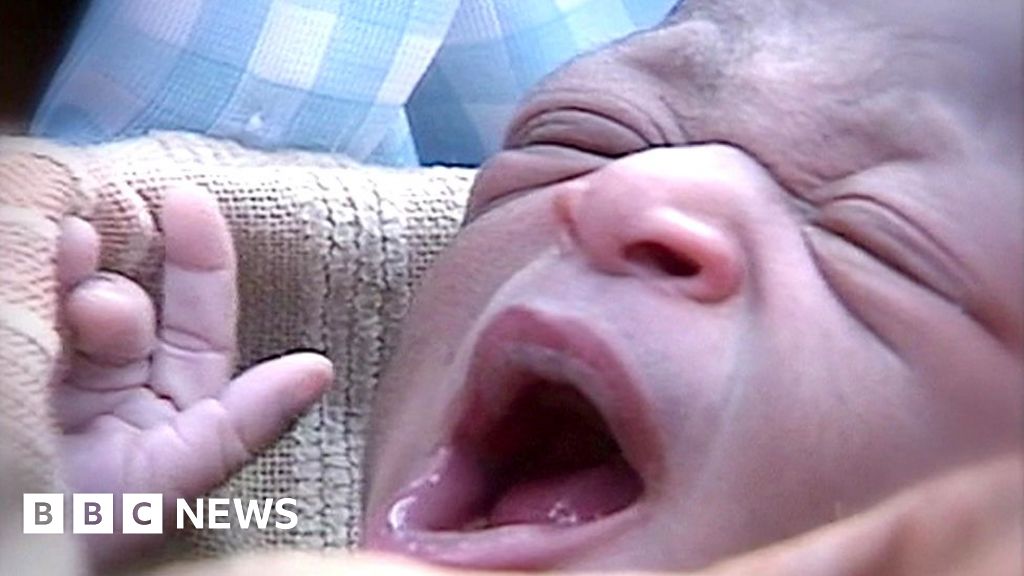
Rosita Salvador Mabuiango's mother was sheltering for days before giving birth perched above the water.
Watch LiveBritish Broadcasting CorporationHomeNewsSportBusinessInnovationHealthCultureArtsTravelEarthAudioVideoLiveDocumentariesHomeNewsIsrael-Gaza WarWar in UkraineUS & CanadaUKUK PoliticsEnglandN. IrelandN. Ireland PoliticsScotlandScotland PoliticsWalesWales PoliticsAfricaAsiaChinaIndiaAustraliaEuropeLatin AmericaMiddle EastIn PicturesBBC InDepthBBC VerifySportBusinessExecutive LoungeTechnology of BusinessFuture of BusinessInnovationWatch DocumentariesTechnologyScienceArtificial IntelligenceAI v the MindHealthWatch DocumentariesCultureWatch DocumentariesFilm & TVMusicArt & DesignStyleBooksEntertainment NewsArtsWatch DocumentariesArts in MotionTravelWatch DocumentariesDestinationsAfricaAntarcticaAsiaAustralia and PacificCaribbean & BermudaCentral AmericaEuropeMiddle EastNorth AmericaSouth AmericaWorld’s TableCulture & ExperiencesAdventuresThe SpeciaListEarthWatch DocumentariesNatural WondersWeather & ScienceClimate SolutionsSustainable BusinessGreen LivingAudioPodcast CategoriesRadioAudio FAQsVideoWatch DocumentariesBBC MaestroDiscover the WorldLiveLive NewsLive SportDocumentariesHomeNewsSportBusinessInnovationHealthCultureArtsTravelEarthAudioVideoLiveDocumentariesWeatherNewslettersWatch Live'Miracle baby' born in a tree above Mozambique floodwaters dies aged 2553 minutes agoShareSaveJose TembeMaputoShareSaveSABCCarolina Cecilia Chirindza and Rosita were lifted to safety by a South African helicopter helping recovery operationsShe was seen as a "miracle baby" after being born in a tree which her mother had climbed to escape flooding, but nearly 26 years on Mozambican Rosita Salvador Mabuiango has died after a long illness, her sister told the BBC.
The sight of the newborn and her mother being winched to safety by helicopter amid the deluged landscape became a defining image of the floods of 2000 – Mozambique's worst ever.
Reflecting on the life of Rosita, also known as Rosita Pedro, President Daniel Chapo described her as a symbol for girls in the country.
In February 2000, hundreds died and hundreds of thousands of others were forced from their homes after the Limpopo river burst its banks in southern Mozambique.
Rosita's mother, Carolina Cecilia Chirindza, was one of those caught up in the crisis.
"It was a Sunday afternoon about four o'clock, and the waters began rising," the Red Cross quoted her as saying later in 2000 about what happened that February.
"The water was coming right up to the house, and was getting stronger and stronger, so like everyone else in the village, we headed for the trees.
"I put my two small children on my back and tried to climb up. It was very difficult.
"There were 15 of us all together, and we were there for four days. We prayed and prayed.
"We had nothing to eat, and the children cried and cried, but we could do nothing for them."
In the early hours of Wednesday morning, Carolina went into labour and shortly afterwards she and the newborn were spotted by a South African military helicopter that was helping in the rescue operations.
The Guardian newspaper later reported that while Carolina was giving birth her mother-in-law held a capulana (sarong) under her, to ensure that the baby did not fall into the floodwater. Rosita was still attached to her mother through the umbilical cord when they were found, reports said.
"I think my baby is different from the other babies in that she was born in a


0 Comments