
US emissions of planet-warming gases rise for the first time in three years.
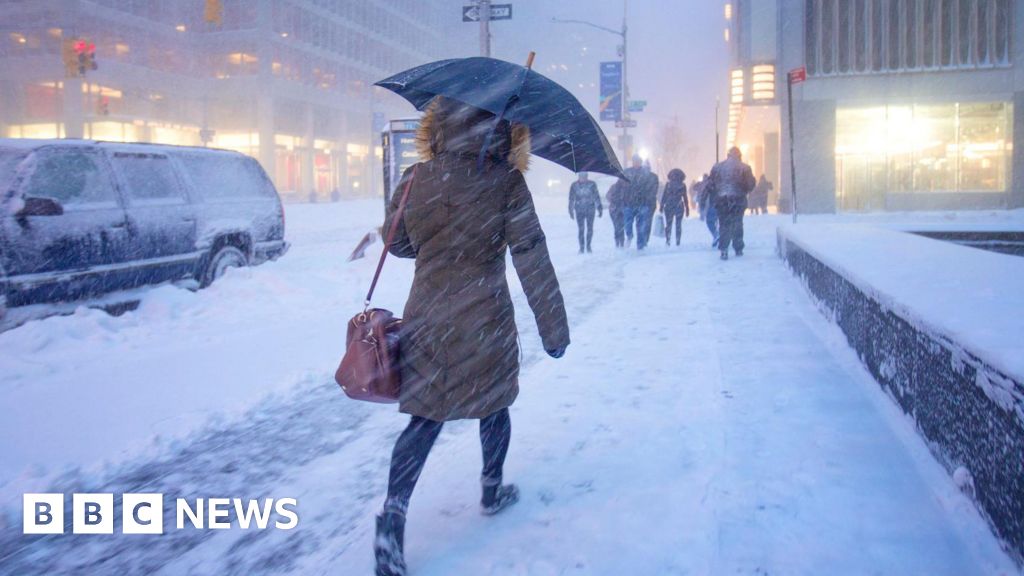
Watch LiveBritish Broadcasting CorporationHomeNewsSportBusinessInnovationHealthCultureArtsTravelEarthAudioVideoLiveDocumentariesHomeNewsIsrael-Gaza WarWar in UkraineUS & CanadaUKUK PoliticsEnglandN. IrelandN. Ireland PoliticsScotlandScotland PoliticsWalesWales PoliticsAfricaAsiaChinaIndiaAustraliaEuropeLatin AmericaMiddle EastIn PicturesBBC InDepthBBC VerifySportBusinessExecutive LoungeTechnology of BusinessFuture of BusinessInnovationWatch DocumentariesTechnologyScienceArtificial IntelligenceAI v the MindHealthWatch DocumentariesCultureWatch DocumentariesFilm & TVMusicArt & DesignStyleBooksEntertainment NewsArtsWatch DocumentariesArts in MotionTravelWatch DocumentariesDestinationsAfricaAntarcticaAsiaAustralia and PacificCaribbean & BermudaCentral AmericaEuropeMiddle EastNorth AmericaSouth AmericaWorld’s TableCulture & ExperiencesAdventuresThe SpeciaListEarthWatch DocumentariesNatural WondersWeather & ScienceClimate SolutionsSustainable BusinessGreen LivingAudioPodcast CategoriesRadioAudio FAQsVideoWatch DocumentariesBBC MaestroDiscover the WorldLiveLive NewsLive SportDocumentariesHomeNewsSportBusinessInnovationHealthCultureArtsTravelEarthAudioVideoLiveDocumentariesWeatherNewslettersWatch LiveCold weather and data centres drive up US greenhouse gas emissions22 minutes agoShareSaveMatt McGrathEnvironment correspondentShareSaveGetty ImagesA very cold start to 2025 and the growing power demands of data centres and cryptocurrencies saw US emissions of planet-warming gases rise for the first time in three years, a new analysis shows.
Last year homes burned more gas for heating while the use of coal surged by 13% to meet rising electricity demands, the data finds.
Although solar power also shot up last year, overall, greenhouse gas emissions went up by 2.4% after two years of decreases, outpacing the level of economic growth, according to estimates from the Rhodium Group.
The authors say the policies of the Trump administration didn't "meaningfully impact" the rise in emissions but they expect this to change in the coming years.
In the colder parts of the United States, most homes rely on natural gas and other fossil fuels for their heating.
The low temperatures experienced in early 2025 saw consumption of these fuels increase by nearly 7% compared with the previous year.
Extra electric power was also needed by the boom in data centres and cryptocurrency mining operations in places like Texas and the Ohio Valley region.
The rising demand for power combined with the higher cost of gas meant that coal use surged, rising by 13%.
"The grid decided to meet that additional load this year, in part with renewables, in part with fossil but because of higher natural gas prices, there was some fuel switching that saw marginally more coal than there was in 2024," said Michael Gaffney, from Rhodium Group, the report's lead author.
Other observers see the high price of gas in the US as closely related to continuing large exports of gas to the rest of the world.
"Higher natural gas prices means that finally, coal, which had been kind of driven to extinction by low natural gas prices, well [gas is] now so expensive that coal's worthwhile again," said Jesse Lee, from Climate Power, a US-based environmental campaign group.
"And that's what is allowing coal to make this comeback."
Since 2007 coal power generation in the US has shrunk by 64%, with last year's ris


0 Comments