
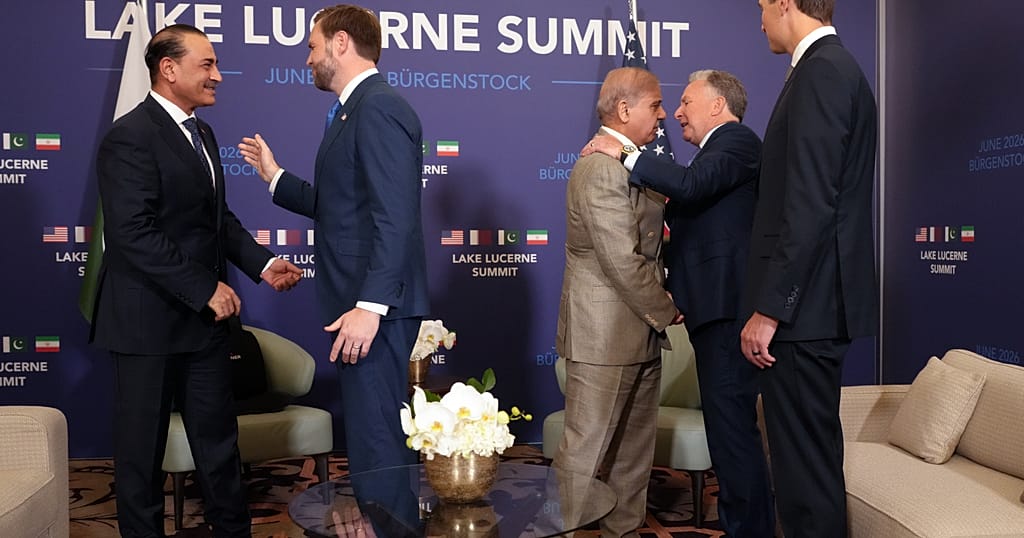
Negotiators from the United States and Iran are continuing talks aimed at reaching a permanent end to hostilities between the two countries, despite tensions that threatened to derail discussions during the first day of meetings.
The negotiations, being mediated by Qatar and Pakistan in Switzerland, saw both sides make what mediators described as encouraging progress. Officials reported agreement on the creation of a "de-confliction cell" designed to help manage tensions related to ongoing fighting in Lebanon.
According to a senior U.S. diplomat, discussions also focused on ensuring the continued operation of the Strait of Hormuz, one of the world's most important energy shipping routes, and maintaining a ceasefire in southern Lebanon.
However, the talks faced a setback after comments made by U.S. President Donald Trump angered Iranian officials. Iranian state media reported that negotiations were temporarily paused following what it described as an insulting message from the American president.
The Iranian delegation reportedly left the negotiating venue to meet separately with Qatari mediators before later returning to discussions. U.S. officials maintained that negotiations remained active despite the interruption.
Iranian President Masoud Pezeshkian reiterated that Iran would not abandon what he described as its right to enrich uranium. In response, President Trump criticized the remarks and continued to issue warnings regarding Iran's activities in the region.
Trump also posted on social media, demanding that Iran restrain allied groups operating in Lebanon and warning of further consequences if instability continued.
Despite the public exchanges and diplomatic tensions, mediators remain optimistic that progress can still be achieved. The second day of talks is expected to focus on building confidence between both sides and exploring long-term arrangements that could reduce the risk of future conflict in the Middle East.
Observers say the outcome of the negotiations could have significant implications for regional stability, global energy markets, and future relations between Washington and Tehran.


0 Comments