
Planned talks between the United States and Iran aimed at advancing a newly signed agreement have been postponed after officials said logistical arrangements had not yet been finalized.
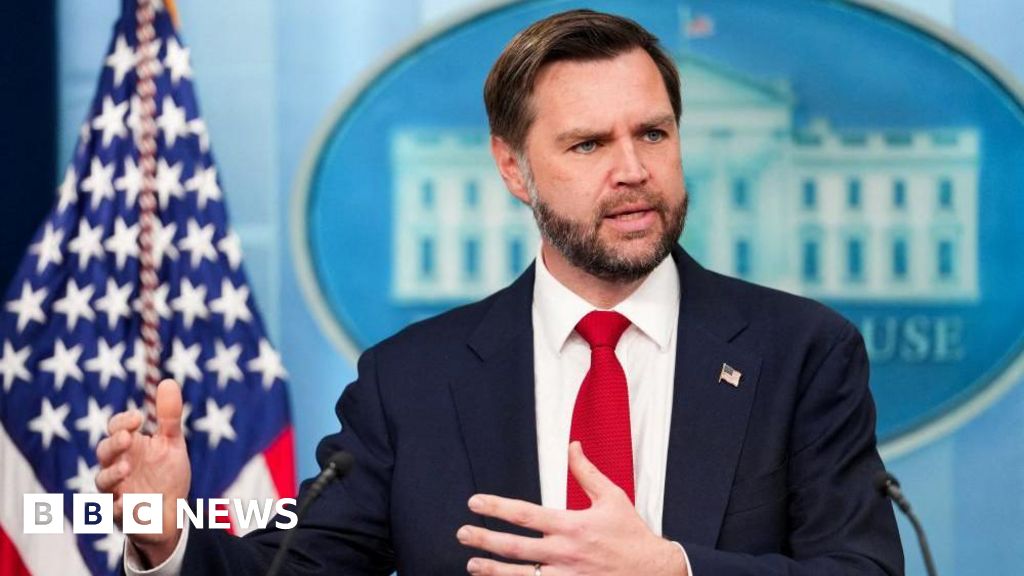
The White House announced that US Vice President JD Vance would no longer attend the negotiations and described the planning process as complicated and unpredictable. Switzerland later confirmed that the talks, which were expected to take place at the Burgenstock resort, had been postponed, although preparations remain ongoing.
The delay comes just days after the United States and Iran signed a major agreement designed to ease tensions and move toward ending years of conflict. As part of the deal, the United States agreed to end its naval blockade of Iran, while both sides committed to pursuing a broader settlement within 60 days.
The agreement includes several key provisions, such as reopening the Strait of Hormuz, ensuring that Iran does not develop nuclear weapons, removing US sanctions on Iran, and supporting a reconstruction plan reportedly valued at $300 billion.
Despite the breakthrough, challenges remain. Iran's Supreme Leader, Mojtaba Khamenei, said he approved the agreement despite having reservations about it. He claimed the United States had used significant pressure to secure the deal and stressed that future negotiations would not mean accepting Washington's position on every issue.
The agreement also calls for an end to fighting in Lebanon, but violence continued overnight. Lebanese health officials reported that at least 18 people were killed and dozens injured following Israeli air strikes in southern Lebanon. Several buildings were also damaged during the attacks.
Israel said its military had targeted positions and infrastructure linked to Hezbollah, the Iran-backed armed group operating in Lebanon. The Israeli military also reported that four of its soldiers were killed during operations.
Tensions remain high as Hezbollah has rejected the terms of the US-Iran agreement. Iran has long argued that any ceasefire arrangement should include Lebanon, while Israel maintains that its conflict with Hezbollah is separate from its broader dispute with Iran.
US President Donald Trump said he expected the agreement to help bring a ceasefire across multiple fronts, including between Israel and Hezbollah. However, the continued violence highlights the difficulties facing negotiators as they attempt to transform the agreement into lasting peace.
The postponed talks were expected to focus on implementing the deal and discussing longer-term issues, including Iran's nuclear program. While both sides have expressed support for continuing negotiations, significant obstacles remain before a final settlement can be reached.


0 Comments