
When Crystal Palace chairman Steve Parish first met Oliver Glasner in late 2023, he could not have imagined the Austrian manager would completely change the direction of the club.
At the time, Roy Hodgson was still in charge at Selhurst Park, but pressure was building for a fresh start. Sporting director Dougie Freedman had been monitoring Glasner’s work in Germany with Wolfsburg and Eintracht Frankfurt and believed he had the qualities needed to transform Palace.
Although Parish usually preferred managers with Premier League experience, Glasner impressed him immediately. By February the following year, Hodgson had left and the process of bringing Glasner to south London was already underway.
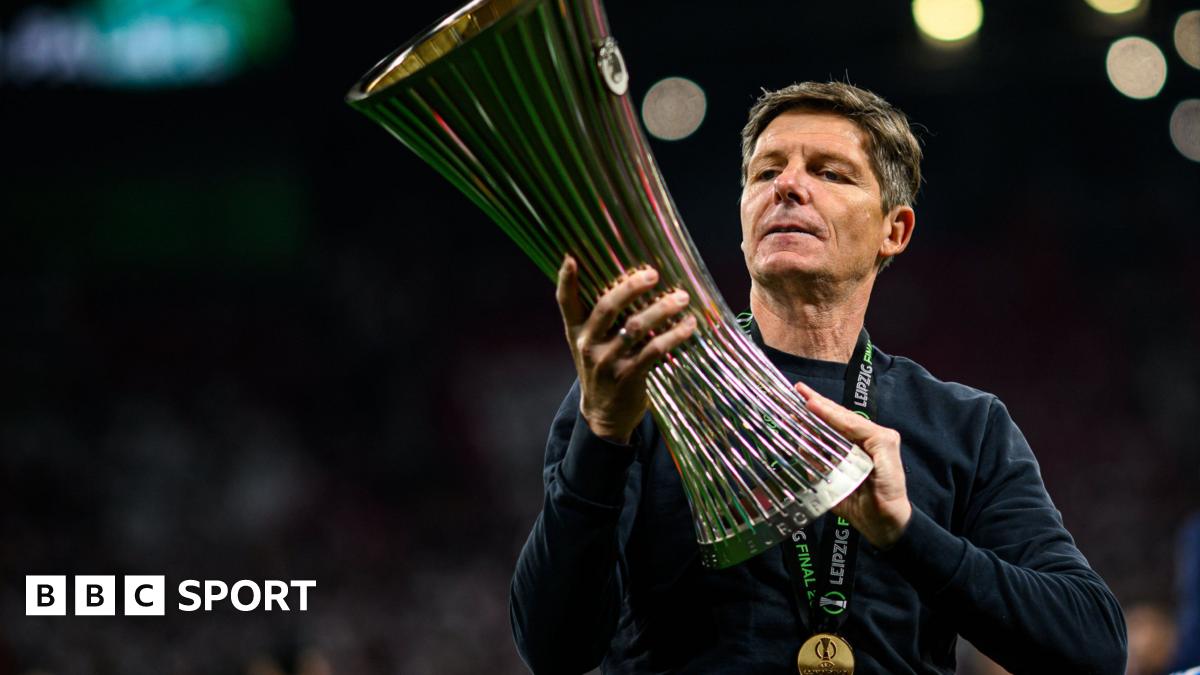
Less than three years later, Glasner ended his Crystal Palace journey in dramatic fashion after leading the club to a 1-0 Conference League final victory over Rayo Vallecano in Leipzig.
The achievement completed one of the greatest periods in the club’s history. Within just 375 days, Palace had won the FA Cup, Community Shield and Conference League — a stunning rise for a club that had never previously won a major trophy.
Midfielder Adam Wharton praised Glasner’s influence, saying the manager completely changed the mentality at the club. Instead of merely fighting to survive in the Premier League, Palace began believing they could compete for trophies and European success.
However, the road to glory was far from smooth.
Shortly after winning the FA Cup, Palace suffered a major setback when UEFA ruled that the club had breached multi-club ownership regulations due to businessman John Textor’s involvement with both Palace and French side Lyon. As a result, Palace were demoted from the Europa League to the Conference League.
The decision caused frustration throughout the club, with Parish describing it as one of the biggest injustices in European football. An appeal to the Court of Arbitration for Sport later failed.
Despite the disappointment, Palace responded strongly by defeating Premier League champions Liverpool in the Community Shield at Wembley.
The club then faced another difficult period after star midfielder Eberechi Eze left for Arsenal in a record transfer deal. Captain Marc Guehi also came close to joining Liverpool before the move collapsed late in the transfer window after Palace failed to secure a replacement defender.
Reports later suggested Glasner had threatened to resign if Guehi had been sold, as tensions between the manager and club hierarchy continued to grow. The Austrian was reportedly unhappy that the club appeared willing to weaken the squad despite preparing for a demanding European campaign.
Things worsened during the middle of the season.
Palace went through a terrible 12-game winless run across all competitions and slipped dangerously close to the relegation zone. Their struggles reached a shocking low point when they were knocked out of the FA Cup by non-league side Macclesfield in what many described as one of the biggest upsets in the competition’s history.
Soon after, Glasner announced he would leave the club at the end of the season following Palace’s decision to sell Guehi to Manchester City. The manager publicly criticised club officials and accused decision-makers of abandoning the team.
Many supporters feared the situation would completely collapse behind the scenes, but chairman Steve Parish continued to back Glasner despite the growing tension.
In the end, the gamble paid off.
Glasner steadied the squad, guided Palace through Europe and delivered the most successful era the club has ever experienced before finally stepping away at the top.


0 Comments