
🌅 Good Morning! Here is your latest news update.
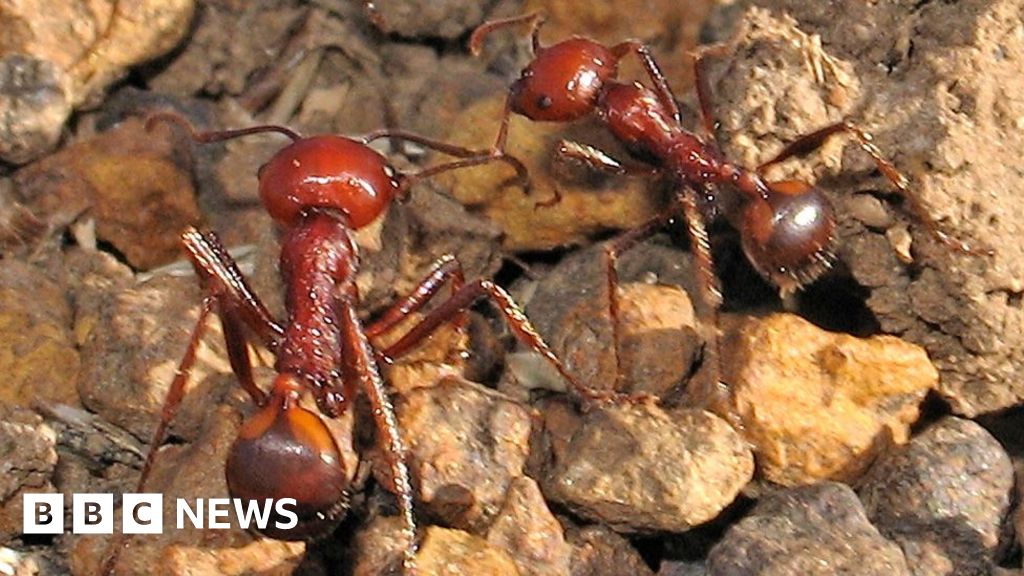
The craze for collecting ants takes Kenya by surprise as smugglers zone in to make a profit.
Watch LiveBritish Broadcasting CorporationHomeNewsSportBusinessTechnologyHealthCultureArtsTravelEarthAudioVideoLiveDocumentariesHomeNewsUS & CanadaUKUK PoliticsEnglandN. IrelandN. Ireland PoliticsScotlandScotland PoliticsWalesWales PoliticsAfricaAsiaChinaIndiaAustraliaEuropeLatin AmericaMiddle EastIn PicturesBBC InDepthBBC VerifySportBusinessWorld of BusinessTechnology of BusinessNYSE Opening BellTechnologyWatch DocumentariesArtificial IntelligenceAI v the MindHealthWatch DocumentariesCultureWatch DocumentariesFilm & TVMusicArt & DesignStyleBooksEntertainment NewsArtsWatch DocumentariesArts in MotionTravelWatch DocumentariesDestinationsAfricaAntarcticaAsiaAustralia and PacificCaribbean & BermudaCentral AmericaEuropeMiddle EastNorth AmericaSouth AmericaWorld’s TableCulture & ExperiencesAdventuresThe SpeciaListEarthWatch DocumentariesScienceNatural WondersClimate SolutionsSustainable BusinessGreen LivingAudioPodcast CategoriesRadioAudio FAQsVideoWatch DocumentariesBBC MaestroDiscover the WorldLiveLive NewsLive SportDocumentariesHomeNewsSportBusinessTechnologyHealthCultureArtsTravelEarthAudioVideoLiveDocumentariesWeatherNewslettersWatch LiveOne ant for $220: the new frontier of wildlife trafficking7 hours agoShareSaveWycliffe MuiaNairobiShareSaveDino MartinsGiant African harvester ants - seen here in Kenya - are popular with hobby collectors around the worldThe ants are flying in Kenya at the moment.
During this rainy season, swarms can be seen leaving the thousands of anthills in and around Gilgil, a quiet agricultural town in Kenya's Rift Valley that has emerged as the centre of a booming illegal trade.
The mating ritual sees winged males leave the nest to impregnate queens, who also take flight at this time. This makes it the perfect time to chase down queen ants to sell on to smugglers who are at the heart of a growing global black market, that taps into the pet craze for keeping ants in transparent enclosures designed to observe the insects as they busily build a colony.
It is the giant African harvester ant queens, which are large and coloured red, that are most prized by international ant collectors – one can fetch up to £170 ($220) on the black market, which tends to operate online.
A single fertilised queen is able to create a whole colony and can live for decades – and can be easily posted as scanners do not tend to detect organic material.
"At first, I did not even know it was illegal," a man, who asked not to be named, told the BBC about how he had once acted as a broker, linking foreign buyers with local collection networks.
Also known as Messor cephalotes, these ants are native to East Africa and known for their distinctive seed-gathering behaviour making them popular with ant collectors.
"A friend told me a foreigner was paying good money for queen ants - the big red ones which are easily seen around here," the former broker said.
"You look for the mounds near open fields, usually early morning before the heat. The foreigners never came to the fields themselves - they would wait in town, in a guest house or a car, and we would bring the ants to them packed in small tubes or syringes they supplied us with."
The scale of the illicit trade in Kenya became apparent last year when 5,000 giant harvester ant queens - mainly collected around Gilgil - were found alive at a guest house in Naivasha, a nearby lakeside town popular with tourists.
The suspects - from Belgium


0 Comments