
🌅 Good Morning! Here is your latest news update.
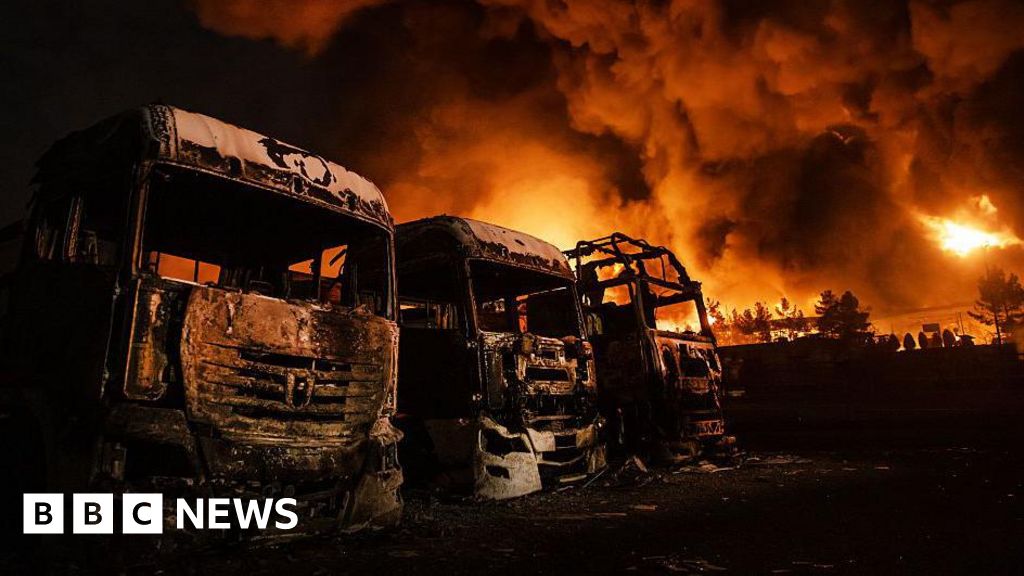
Major disruption to energy supplies threatens to push up prices for consumers and businesses around the world.
Watch LiveBritish Broadcasting CorporationHomeNewsSportBusinessTechnologyHealthCultureArtsTravelEarthAudioVideoLiveDocumentariesHomeNewsUS & CanadaUKUK PoliticsEnglandN. IrelandN. Ireland PoliticsScotlandScotland PoliticsWalesWales PoliticsAfricaAsiaChinaIndiaAustraliaEuropeLatin AmericaMiddle EastIn PicturesBBC InDepthBBC VerifySportBusinessWorld of BusinessTechnology of BusinessNYSE Opening BellTechnologyWatch DocumentariesArtificial IntelligenceAI v the MindHealthWatch DocumentariesCultureWatch DocumentariesFilm & TVMusicArt & DesignStyleBooksEntertainment NewsArtsWatch DocumentariesArts in MotionTravelWatch DocumentariesDestinationsAfricaAntarcticaAsiaAustralia and PacificCaribbean & BermudaCentral AmericaEuropeMiddle EastNorth AmericaSouth AmericaWorld’s TableCulture & ExperiencesAdventuresThe SpeciaListEarthWatch DocumentariesScienceNatural WondersClimate SolutionsSustainable BusinessGreen LivingAudioPodcast CategoriesRadioAudio FAQsVideoWatch DocumentariesBBC MaestroDiscover the WorldLiveLive NewsLive SportDocumentariesHomeNewsSportBusinessTechnologyHealthCultureArtsTravelEarthAudioVideoLiveDocumentariesWeatherNewslettersWatch LiveOil prices surge above $100 and shares slide over Iran war4 hours agoShareSaveFaisal Islam,Economics editorandPeter Hoskins,Business reporterShareSaveAnadolu via Getty ImagesOil facilities in Tehran were hit by airstrikes at the weekendGlobal oil prices have jumped above $100 (£75.02) a barrel and stock markets have slumped as the escalating US-Israeli war with Iran has fuelled fears of prolonged disruption to shipments through the Strait of Hormuz.
Iran on Sunday named Mojtaba Khamenei to succeed his father Ali Khamenei as Supreme Leader, signalling that a week into the conflict hardliners remain in charge of the country.
The US and Israel launched fresh waves of airstrikes across Iran over the weekend, hitting multiple targets including oil depots.
Major disruption to energy supplies from the region threatens to push up prices for consumers and businesses around the world.
On Monday morning in Asia, Brent crude was almost 24% higher at $114.74, while Nymex light sweet was up by more than 26% at $114.78.
Stock markets in the Asia-Pacific region fell sharply in morning trade with Japan's Nikkei 225 index down by more than 7%, the Hang Seng in Hong Kong losing over 3% and the ASX 200 in Australia more than 4% lower.
South Korea's Kospi index, which has been hit especially hard since the conflict began, slipped by more than 8%, triggering a 20-minute halt to trading.
The so-called circuit breaker is a mechanism designed to curb panic selling. It also came into effect on Wednesday, when the Kospi slumped by 12%.
About a fifth of the world's oil supply is usually shipped through the Strait of Hormuz. But traffic through the narrow passage has all but halted since the war started a week ago.
Many in the markets predicted that oil would hit the $100 a barrel mark this week.
In the event it took about a minute to jump 10%, and then another 15 minutes to rise a further 10% in early Asian trading.
Last week the markets had been relatively relaxed about the seeming nightmare scenario for millions of barrels of crude and liquefied natural gas trapped in the Gulf, unable or unwilling to transit the Strait of Hormuz.
But the escalations over the weekend, alongside scenes of destruction of energy infrastructure both in Iran and across the Gulf, saw the markets take rapid


0 Comments