
☀️ Good Afternoon! Stay informed with this latest update.
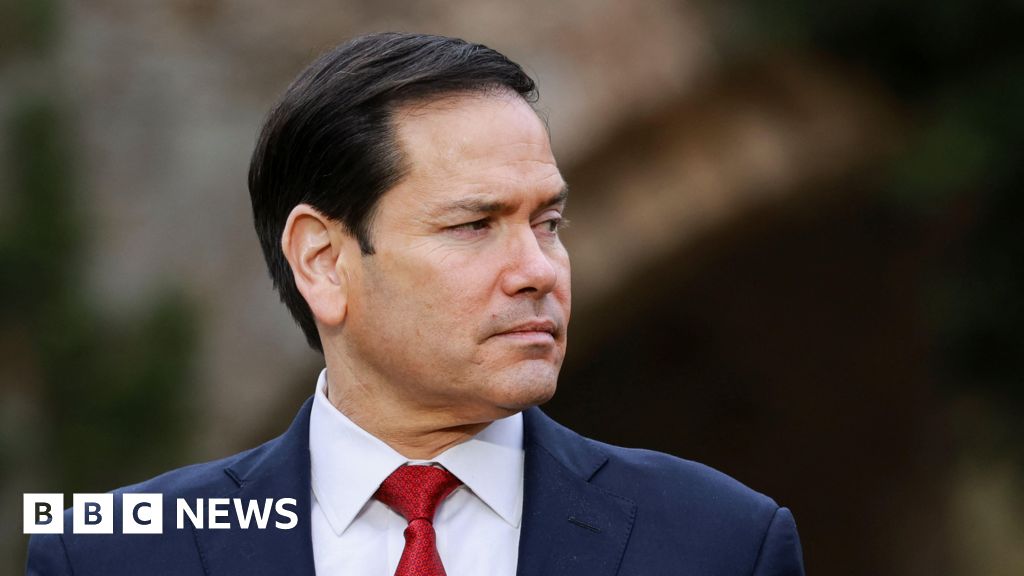
It is the secretary of state's first foreign trip since the conflict began last month.
Watch LiveBritish Broadcasting CorporationHomeNewsSportBusinessTechnologyHealthCultureArtsTravelEarthAudioVideoLiveDocumentariesHomeNewsUS & CanadaUKUK PoliticsEnglandN. IrelandN. Ireland PoliticsScotlandScotland PoliticsWalesWales PoliticsAfricaAsiaChinaIndiaAustraliaEuropeLatin AmericaMiddle EastIn PicturesBBC InDepthBBC VerifySportBusinessWorld of BusinessTechnology of BusinessNYSE Opening BellTechnologyWatch DocumentariesArtificial IntelligenceAI v the MindHealthWatch DocumentariesCultureWatch DocumentariesFilm & TVMusicArt & DesignStyleBooksEntertainment NewsArtsWatch DocumentariesArts in MotionTravelWatch DocumentariesDestinationsAfricaAntarcticaAsiaAustralia and PacificCaribbean & BermudaCentral AmericaEuropeMiddle EastNorth AmericaSouth AmericaWorld’s TableCulture & ExperiencesAdventuresThe SpeciaListEarthWatch DocumentariesScienceNatural WondersClimate SolutionsSustainable BusinessGreen LivingAudioPodcast CategoriesRadioAudio FAQsVideoWatch DocumentariesBBC MaestroDiscover the WorldLiveLive NewsLive SportDocumentariesHomeNewsSportBusinessTechnologyHealthCultureArtsTravelEarthAudioVideoLiveDocumentariesWeatherNewslettersWatch LiveMarco Rubio meets G7 counterparts amid Iran war1 hour agoShareSaveImogen JamesShareSaveReutersThe G7 ministers were joined by the European Union's foreign policy chief, Kaja Kallas US Secretary of State Marco Rubio has joined a meeting of G7 foreign ministers in France for talks in which the US-Israeli war with Iran will be the main focus.
Rubio is expected to face pressure to de-escalate the conflict as concerns continue to grow over its impact on the world economy.
The other G7 countries – the UK, Canada, France, Germany, Italy and Japan – are wary of being drawn in militarily. The group will also discuss the war in Ukraine.
As he headed to France, Rubio said it was in the "interest" of G7 nations to "step up" and help with the Strait of Hormuz, which Iran has effectively blockaded, causing fuel prices to soar.
"I'm not there to make them happy," he told reporters. "For all the countries who care about international law, they should be doing something about it."
As they went into the meeting, UK Foreign Secretary Yvette Cooper told the media: "We need to see a swift resolution to this conflict that restores the regional stability, that needs to include the Strait of Hormuz."
About 20% of the world's oil and liquefied natural gas typically passes through the strait and the war has caused concern over price rises and potential shortages.
Ministers from the G7 have previously said they are ready to take "necessary measures" to support the global energy supply.
At a meeting of the ministers on Thursday, German Foreign Minister Johann Wadephul said the group should develop a "common position" with the US to help bring the war to a swift end.
He added that the talks with Rubio would be important, and that France and Britain share the same position.
Hours before Rubio headed to France, US President Donald Trump again criticised Nato, of which all G7 countries except Japan are members, and said allies in the military alliance had "done absolutely nothing to help with" the situation.
Discussions about Iran may overlap with talks about Russia's war in Ukraine.
Ukraine's Foreign Minister Andrii Sybiha said he met Rubio on Friday morning on the sidelines of the G7 meeting, writi


0 Comments