
☀️ Good Afternoon! Stay informed with this latest update.
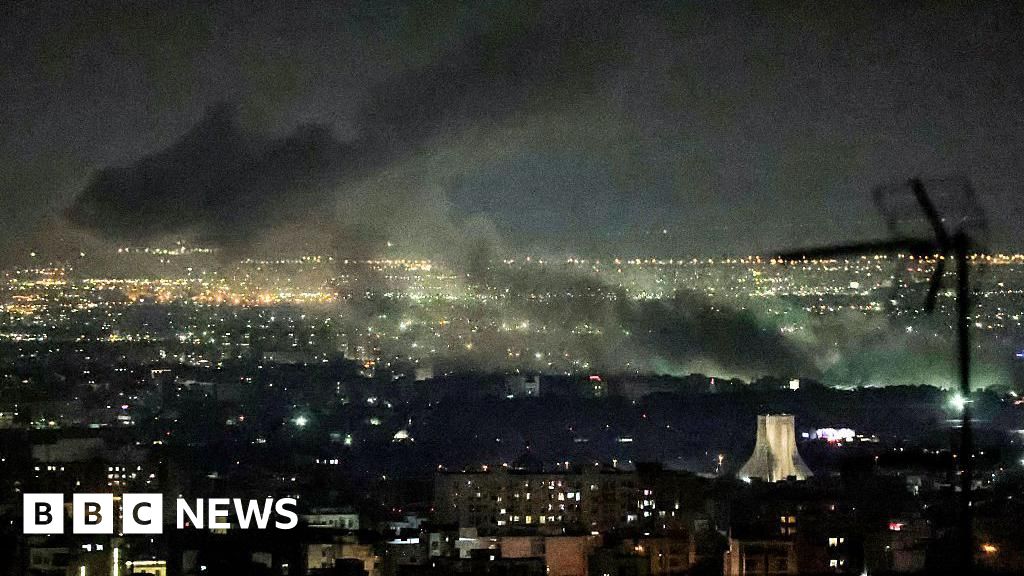
Iranians in Tehran and Karaj tell the BBC they are exhausted and struggling to sleep after 10 days of Israeli and US attacks.
Watch LiveBritish Broadcasting CorporationHomeNewsSportBusinessTechnologyHealthCultureArtsTravelEarthAudioVideoLiveDocumentariesHomeNewsUS & CanadaUKUK PoliticsEnglandN. IrelandN. Ireland PoliticsScotlandScotland PoliticsWalesWales PoliticsAfricaAsiaChinaIndiaAustraliaEuropeLatin AmericaMiddle EastIn PicturesBBC InDepthBBC VerifySportBusinessWorld of BusinessTechnology of BusinessNYSE Opening BellTechnologyWatch DocumentariesArtificial IntelligenceAI v the MindHealthWatch DocumentariesCultureWatch DocumentariesFilm & TVMusicArt & DesignStyleBooksEntertainment NewsArtsWatch DocumentariesArts in MotionTravelWatch DocumentariesDestinationsAfricaAntarcticaAsiaAustralia and PacificCaribbean & BermudaCentral AmericaEuropeMiddle EastNorth AmericaSouth AmericaWorld’s TableCulture & ExperiencesAdventuresThe SpeciaListEarthWatch DocumentariesScienceNatural WondersClimate SolutionsSustainable BusinessGreen LivingAudioPodcast CategoriesRadioAudio FAQsVideoWatch DocumentariesBBC MaestroDiscover the WorldLiveLive NewsLive SportDocumentariesHomeNewsSportBusinessTechnologyHealthCultureArtsTravelEarthAudioVideoLiveDocumentariesWeatherNewslettersWatch Live'I just want to be able to sleep': Attacks in Iran rock cities and cut power3 hours agoShareSaveGhoncheh Habibiazad,BBC PersianandMallory MoenchShareSaveAFP via Getty ImagesSmoke plumes billowed following strikes near Azadi Tower in western Tehran on Monday nightIranians have told BBC Persian that they are exhausted and struggling to sleep after 10 days of Israeli and US attacks, as explosions "every few hours" rocked Tehran and the nearby city of Karaj overnight and cut power.
"I was in total darkness last night," one man in his 30s from Tehran said, while others reported temporary blackouts or power fluctuations.
"I'm feeling terrible. They hit a street near us today. I just want to be able to sleep tonight," a man in his 20s in the capital said.
Another in his 20s in Tehran said "we're still alive," but added that "where missiles hit is getting closer and closer every day."
On Monday evening, the Israeli military announced that it had begun a "broad wave of strikes against terror targets in Tehran".
The military said on Tuesday morning that it had targeted an underground complex used by the Revolutionary Guards for weapons research, infrastructure within the main headquarters of the Quds Force, the Guards' overseas operations arm, and other weapons and defence production sites.
Another "wave of strikes" was launched in Tehran on Tuesday afternoon, according to the military.
Israel and the US launched a joint attack on Iran on 28 February, prompting retaliatory Iranian missile and drone strikes against Israel and targets in Middle Eastern countries hosting US military bases and embassies.
On Monday, the US-based Human Rights Activists in Iran (HRANA) reported that 1,761 people had been killed in Iran - including at least 1,245 civilians, 194 of them children - since the war started.
Access to Iran for journalists is restricted and the BBC has not been able to independently verify figures and events from inside the country.
Internet connectivity in Iran has been almost entirely restricted, but BBC Persian has been hearing from residents, who we are not naming for their safety.
The man in his 30s in Tehran who reported "total darkness" overnight said: "The electric


0 Comments