
☀️ Good Afternoon! Stay informed with this latest update.
Iranian official threatens to "set fire" to any ships passing through the Strait of Hormuz.
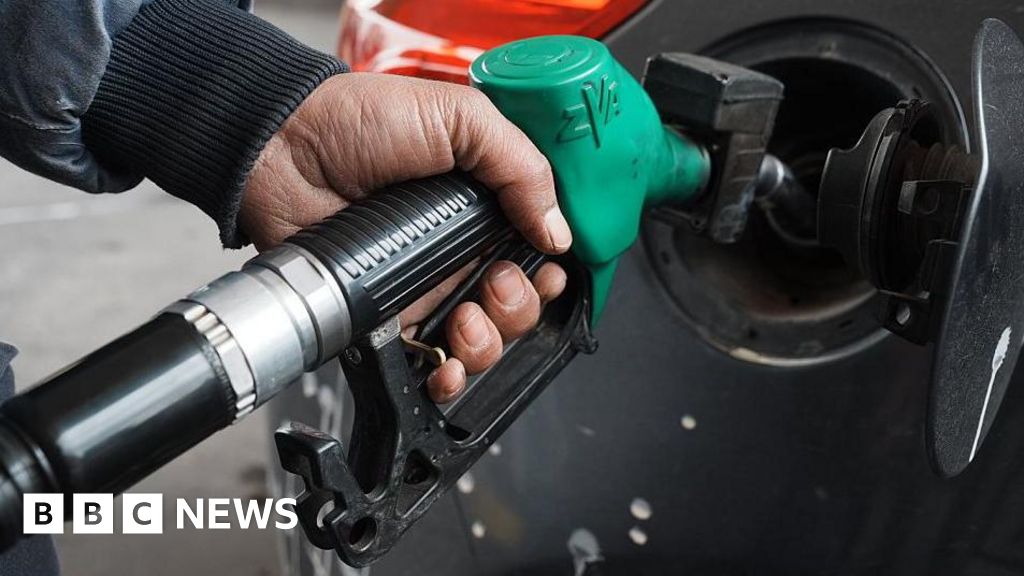
Watch LiveBritish Broadcasting CorporationHomeNewsSportBusinessTechnologyHealthCultureArtsTravelEarthAudioVideoLiveDocumentariesHomeNewsUS & CanadaUKUK PoliticsEnglandN. IrelandN. Ireland PoliticsScotlandScotland PoliticsWalesWales PoliticsAfricaAsiaChinaIndiaAustraliaEuropeLatin AmericaMiddle EastIn PicturesBBC InDepthBBC VerifySportBusinessWorld of BusinessTechnology of BusinessNYSE Opening BellTechnologyWatch DocumentariesArtificial IntelligenceAI v the MindHealthWatch DocumentariesCultureWatch DocumentariesFilm & TVMusicArt & DesignStyleBooksEntertainment NewsArtsWatch DocumentariesArts in MotionTravelWatch DocumentariesDestinationsAfricaAntarcticaAsiaAustralia and PacificCaribbean & BermudaCentral AmericaEuropeMiddle EastNorth AmericaSouth AmericaWorld’s TableCulture & ExperiencesAdventuresThe SpeciaListEarthWatch DocumentariesScienceNatural WondersClimate SolutionsSustainable BusinessGreen LivingAudioPodcast CategoriesRadioAudio FAQsVideoWatch DocumentariesBBC MaestroDiscover the WorldLiveLive NewsLive SportDocumentariesHomeNewsSportBusinessTechnologyHealthCultureArtsTravelEarthAudioVideoLiveDocumentariesWeatherNewslettersWatch LiveGas and oil prices soar and shares tumble as crucial shipping lane threatened14 minutes agoShareSaveOsmond ChiaandNick Edser,Business reportersShareSaveGetty ImagesGas prices rose at the fastest pace for more than three years and stock markets tumbled after an Iranian official said his country would "set fire to anyone who tries to pass through" the key Strait of Hormuz shipping route.
As the conflict between Iran and the US and Israel continued, gas prices surged by more than 30% following sharp gains on Monday while oil climbed by more than 5% to $82 a barrel.
In the UK, the FTSE 100 index fell by 2.6% while stocks markets in France and Germany tumbled.
Investors are weighing the impact of the conflict on the financial markets and what it could mean for inflation and whether central banks will cut interest rates.
Gas prices rose to about 150p a therm on Tuesday, to the highest level for more than three years.
Higher gas prices could put pressure on household energy bills, although any impact would not be seen in the UK until July because a price cap has been put in place until then.
At the same time, rising oil prices can affect the economy by making things such as transport and food more expensive.
If inflation - the pace of price rises - picks up, then this may make central banks less likely to cut interest rates in the months ahead.
The price of gas leapt on Monday after QatarEnergy, one of the world's biggest exporters, halted production following "military attacks" on its facilities.
Meanwhile, the UK's FTSE 100 dropped 2.5% in Tuesday trading. Germany's Dax fell by 3.2% while in France, the Cac 40 slid by 2.6%.
Ebrahim Jabbari, an adviser to the commander-in-chief of Iran's Islamic Revolutionary Guard Corps (IRGC), told state TV that ships "should not come to this region. They will certainly face a serious response from us".
Shipping through the Strait of Hormuz is crucial to the global economy, with about 20% of the world's oil and gas passing through the waterway. But they have come to a halt after several vessels were attacked in recent days.
As well as pushing up prices on global energy markets, the conflict has triggered a rise in how much it costs to transport oil.
Hiring a supertanker to move oil from


0 Comments