
🌅 Good Morning! Here is your latest news update.
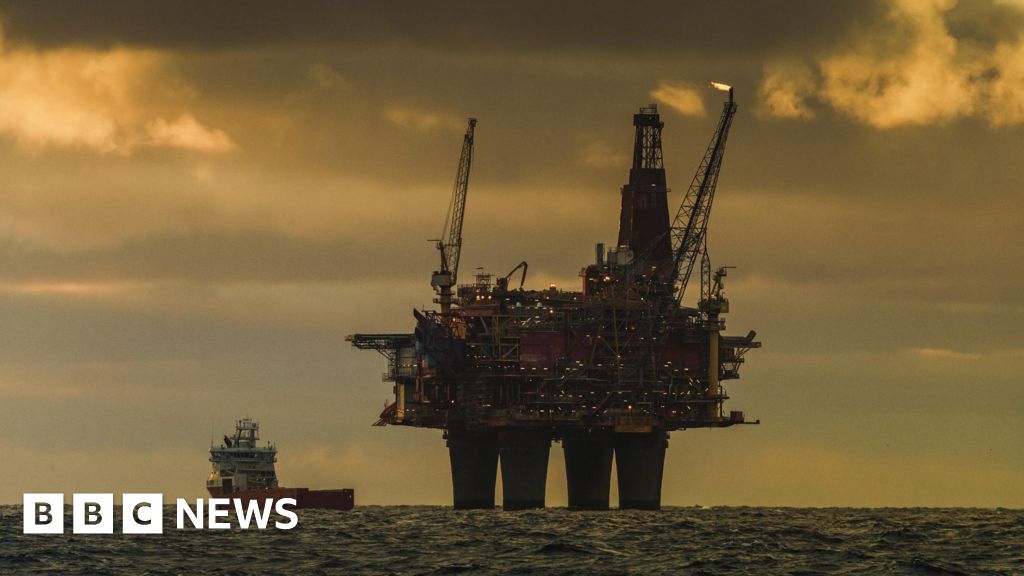
It has been the most volatile day of oil trading in world history, and there is much still to play out.
Watch LiveBritish Broadcasting CorporationHomeNewsSportBusinessTechnologyHealthCultureArtsTravelEarthAudioVideoLiveDocumentariesHomeNewsUS & CanadaUKUK PoliticsEnglandN. IrelandN. Ireland PoliticsScotlandScotland PoliticsWalesWales PoliticsAfricaAsiaChinaIndiaAustraliaEuropeLatin AmericaMiddle EastIn PicturesBBC InDepthBBC VerifySportBusinessWorld of BusinessTechnology of BusinessNYSE Opening BellTechnologyWatch DocumentariesArtificial IntelligenceAI v the MindHealthWatch DocumentariesCultureWatch DocumentariesFilm & TVMusicArt & DesignStyleBooksEntertainment NewsArtsWatch DocumentariesArts in MotionTravelWatch DocumentariesDestinationsAfricaAntarcticaAsiaAustralia and PacificCaribbean & BermudaCentral AmericaEuropeMiddle EastNorth AmericaSouth AmericaWorld’s TableCulture & ExperiencesAdventuresThe SpeciaListEarthWatch DocumentariesScienceNatural WondersClimate SolutionsSustainable BusinessGreen LivingAudioPodcast CategoriesRadioAudio FAQsVideoWatch DocumentariesBBC MaestroDiscover the WorldLiveLive NewsLive SportDocumentariesHomeNewsSportBusinessTechnologyHealthCultureArtsTravelEarthAudioVideoLiveDocumentariesWeatherNewslettersWatch LiveFaisal Islam: Trump comments may have eased oil price surge, but havoc remains8 hours agoShareSaveFaisal IslamEconomics editorShareSaveGetty ImagesIt has been the most volatile day of oil trading in world history. The oil price spiralled to almost $120 a barrel at one point early on Monday, but word soon emerged of an emergency meeting of the G7 finance ministers.
Reports suggested there could be a 300 million-barrel release of emergency stockpiles co-ordinated by the International Energy Agency.
The speculation alone was enough to temper the rise in prices a bit, but they remained much higher than pre-conflict levels.
Then, however, we heard what sounded like a pivot away from a long-run war by US President Donald Trump, and the oil price went into freefall, dipping below Friday's close. When Tuesday's trading day started in Asia the oil price was hovering around $90.
The spiral up can be of little surprise of course when millions of barrels of crude oil are shut in to the Gulf, and when most Gulf countries are now - at best - reporting a slowing of their production, and at worst declaring force majeure shutdowns - a clause freeing them from liability for failure to supply due to events outside their control.
However, this also has the potential to be the biggest oil shock in history.
Three hundred million barrels is a massive number. It would have been more than double the record previous intervention made in April 2022 after Russia's invasion of Ukraine. It is effectively less than three days of global oil consumption (104 million barrels a day), about a fortnight of normal Strait of Hormuz traffic.
These reserves have been tapped only five times before. This would have represented a quarter of stockpiles.
The G7 finance ministers may not all agree, and they decided against tapping the reserves immediately. Other support is required.
Will all ministers want naval escorts through the Strait of Hormuz? Does a new system of insurance solve the problems when drones and missiles are whizzing in the skies above the tankers, and occasionally targeting them?
Meanwhile, the US has been pushing the idea that Russia could form part of a solution, through the use of waivers against sanctions for Putin's war against Ukraine.
As powerful as the G7 is, China, India


0 Comments