
🌅 Good Morning! Here is your latest news update.
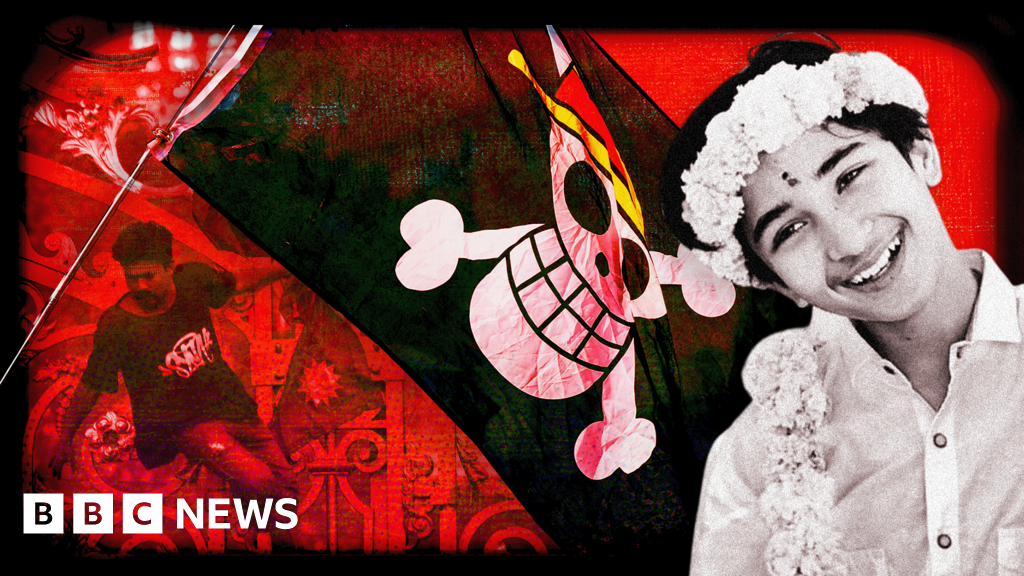
New evidence reveals what happened when 19 people were shot dead in Kathmandu last September.
Watch LiveBritish Broadcasting CorporationHomeNewsSportBusinessTechnologyHealthCultureArtsTravelEarthAudioVideoLiveDocumentariesHomeNewsUS & CanadaUKUK PoliticsEnglandN. IrelandN. Ireland PoliticsScotlandScotland PoliticsWalesWales PoliticsAfricaAsiaChinaIndiaAustraliaEuropeLatin AmericaMiddle EastIn PicturesBBC InDepthBBC VerifySportBusinessWorld of BusinessTechnology of BusinessNYSE Opening BellTechnologyWatch DocumentariesArtificial IntelligenceAI v the MindHealthWatch DocumentariesCultureWatch DocumentariesFilm & TVMusicArt & DesignStyleBooksEntertainment NewsArtsWatch DocumentariesArts in MotionTravelWatch DocumentariesDestinationsAfricaAntarcticaAsiaAustralia and PacificCaribbean & BermudaCentral AmericaEuropeMiddle EastNorth AmericaSouth AmericaWorld’s TableCulture & ExperiencesAdventuresThe SpeciaListEarthWatch DocumentariesScienceNatural WondersClimate SolutionsSustainable BusinessGreen LivingAudioPodcast CategoriesRadioAudio FAQsVideoWatch DocumentariesBBC MaestroDiscover the WorldLiveLive NewsLive SportDocumentariesHomeNewsSportBusinessTechnologyHealthCultureArtsTravelEarthAudioVideoLiveDocumentariesWeatherNewslettersWatch LiveShot in school uniform: BBC reveals police order led to Gen Z protest killings7 hours agoShareSaveSubina Shrestha,BBC Eye InvestigationsandDeepak Kharel,BBC Eye InvestigationsShareSaveBBCAn order allowing the use of lethal fire against thousands of young, unarmed protesters in Nepal was issued by the country's former police chief, a BBC investigation reveals.
Among the 19 people killed in the capital, Kathmandu, on 8 September last year was a teenager in school uniform, who had been walking away from the crowd when he was shot in the back of the head. Dozens more were injured.
The events at the so-called Gen Z demonstrations - which had followed weeks of simmering anger about political corruption - sparked further protests leading to the resignation of Nepal's prime minister and the collapse of its government a day later.
The BBC World Service team has seen an internal police document detailing events on 8 September. It reveals someone using the call sign "Peter 1" told his officers to "deploy necessary force" 10 minutes after a curfew had come into effect, and after repeated requests by officers on the ground to use lethal force.
Peter 1 was the call sign used by Nepal's former police inspector general, Chandra Kuber Khapung, sources have told BBC Eye Investigations.
Khapung has not denied that he issued the order, but Nepal Police says that this was only after he was given authorisation by a government security committee and once all other forms of force had been used, in line with Nepali law.
Khapung - who retired in November - has not replied to the BBC's request for comment.
Video evidence examined by the BBC reveals that 17-year-old Shreeyam Chaulagain - the youngest of the 19 victims - had been unarmed and was trying to leave the scene when he died.
The events of 8 September are now being examined by a public inquiry, which has yet to report. So far, no-one has been held accountable - and general elections are set to take place on 5 March.
The BBC has established the chain of events, detailed by the leaked police log and supported by insider accounts from serving officers, that led to the shootings.
By analysing visual evidence, including more than 4,000 videos and photos, and details from those on the streets and in the comman


0 Comments