
☀️ Good Afternoon! Stay informed with this latest update.
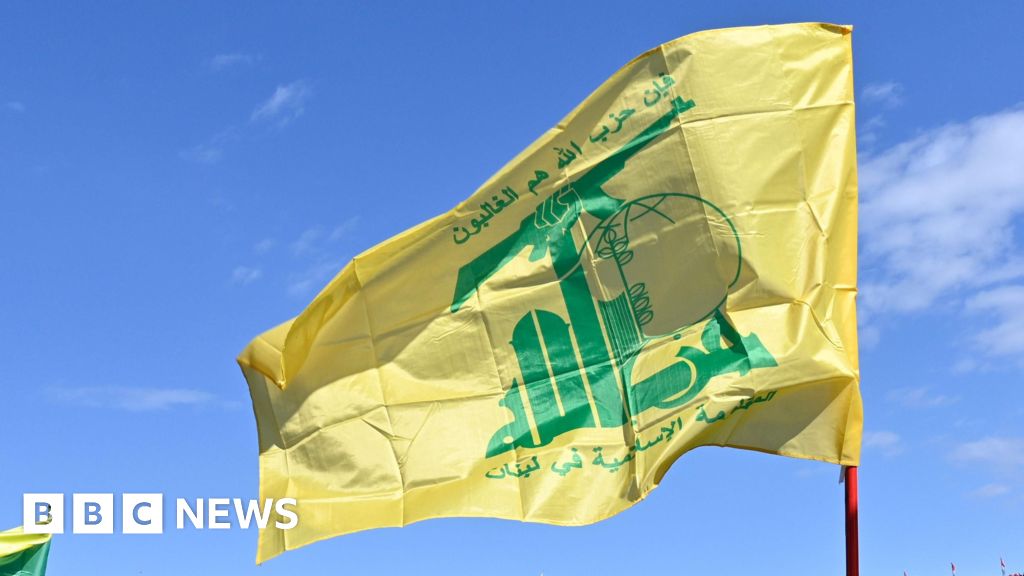
The strikes are among the deadliest in Lebanon since a ceasefire ended the war between Israel and Hezbollah.
Watch LiveBritish Broadcasting CorporationHomeNewsSportBusinessTechnologyHealthCultureArtsTravelEarthAudioVideoLiveDocumentariesHomeNewsUS & CanadaUKUK PoliticsEnglandN. IrelandN. Ireland PoliticsScotlandScotland PoliticsWalesWales PoliticsAfricaAsiaChinaIndiaAustraliaEuropeLatin AmericaMiddle EastIn PicturesBBC InDepthBBC VerifySportBusinessWorld of BusinessTechnology of BusinessNYSE Opening BellTechnologyWatch DocumentariesArtificial IntelligenceAI v the MindHealthWatch DocumentariesCultureWatch DocumentariesFilm & TVMusicArt & DesignStyleBooksEntertainment NewsArtsWatch DocumentariesArts in MotionTravelWatch DocumentariesDestinationsAfricaAntarcticaAsiaAustralia and PacificCaribbean & BermudaCentral AmericaEuropeMiddle EastNorth AmericaSouth AmericaWorld’s TableCulture & ExperiencesAdventuresThe SpeciaListEarthWatch DocumentariesScienceNatural WondersClimate SolutionsSustainable BusinessGreen LivingAudioPodcast CategoriesRadioAudio FAQsVideoWatch DocumentariesBBC MaestroDiscover the WorldLiveLive NewsLive SportDocumentariesHomeNewsSportBusinessTechnologyHealthCultureArtsTravelEarthAudioVideoLiveDocumentariesWeatherNewslettersWatch LiveIsraeli strikes kill at least 10 in Lebanon, officials say2 hours agoShareSaveHugo BachegaMiddle East correspondentShareSaveEPAAt least 10 people have been killed in Israeli air strikes on eastern Lebanon, Lebanese officials say, despite a ceasefire.
Israel's military said it targeted sites belonging to Hezbollah, a Shia Muslim militia and political party, in the Bekaa Valley, an area where the group has a strong presence.
Hezbollah confirmed that at least six of its members had been killed, including a senior field commander.
The strikes are among the deadliest in Lebanon since a ceasefire ended the war between Israel and Hezbollah in November 2024.
Despite the deal, which followed 13 months of conflict, Israel has carried out near-daily strikes on Lebanon.
Images posted online from one of the locations hit on Friday night showed heavy damage in what appeared to be a residential neighbourhood.
In a statement, the Israeli military said it had struck "Hezbollah command centres" and that Hezbollah "systematically embeds its assets within the civilian population". It said the group's activities were "a violation of the understandings between Israel and Lebanon".
Hezbollah, considered a terrorist organisation by countries including the UK and the US, says the ceasefire deal only applies to southern Lebanon, in the area between the Litani river and the Blue Line, the unofficial border between Lebanon and Israel.
There, the Lebanese army has dismantled infrastructure used by the group, in the first stage of a plan to disarm Hezbollah after its devastating 13-month war with Israel.
The group, however, has so far rejected calls from Lebanese authorities to discuss the future of its weapons elsewhere in the country, including in the Bekaa Valley, where part of its arsenal is believed to be located.
This week, Hezbollah dismissed a decision by the government to advance the second phase of the disarmament plan in areas between north of the Litani and the Awali river, in the port city of Sidon.
Lebanon's government said Israel's ongoing actions were a violation of the ceasefire deal and urged the international community to put pressure on Israel to stop its attacks.
The Lebanese Prime Minister Nawaf Salam recently said the situation h


0 Comments