
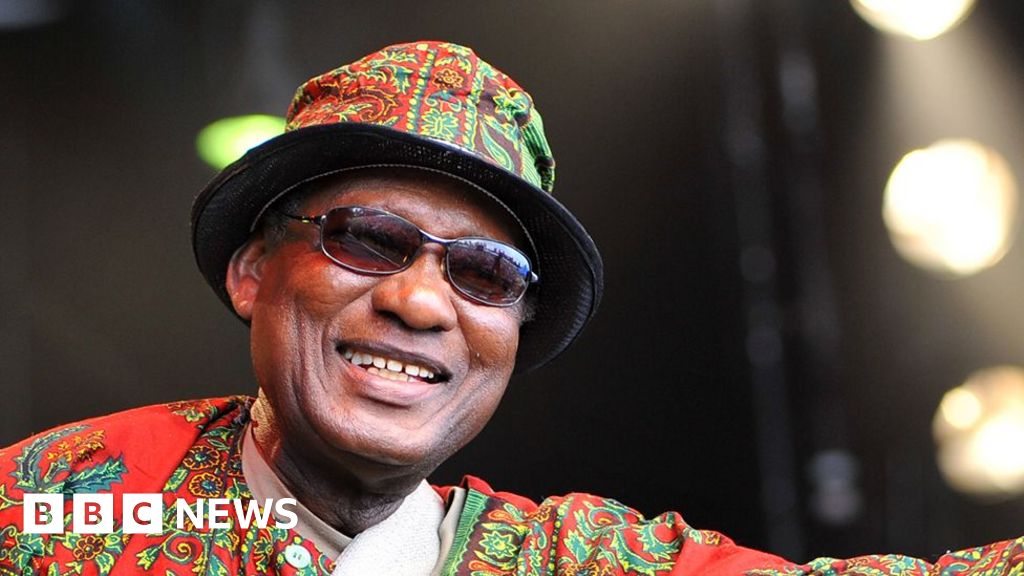
The guitarist, composer and band leader fused Ghanaian music and funk to create tracks sampled around the world.
Watch LiveBritish Broadcasting CorporationHomeNewsSportBusinessTechnologyHealthCultureArtsTravelEarthAudioVideoLiveDocumentariesHomeNewsUS & CanadaUKUK PoliticsEnglandN. IrelandN. Ireland PoliticsScotlandScotland PoliticsWalesWales PoliticsAfricaAsiaChinaIndiaAustraliaEuropeLatin AmericaMiddle EastIn PicturesBBC InDepthBBC VerifySportBusinessWorld of BusinessTechnology of BusinessNYSE Opening BellTechnologyWatch DocumentariesArtificial IntelligenceAI v the MindHealthWatch DocumentariesCultureWatch DocumentariesFilm & TVMusicArt & DesignStyleBooksEntertainment NewsArtsWatch DocumentariesArts in MotionTravelWatch DocumentariesDestinationsAfricaAntarcticaAsiaAustralia and PacificCaribbean & BermudaCentral AmericaEuropeMiddle EastNorth AmericaSouth AmericaWorld’s TableCulture & ExperiencesAdventuresThe SpeciaListEarthWatch DocumentariesScienceNatural WondersClimate SolutionsSustainable BusinessGreen LivingAudioPodcast CategoriesRadioAudio FAQsVideoWatch DocumentariesBBC MaestroDiscover the WorldLiveLive NewsLive SportDocumentariesHomeNewsSportBusinessTechnologyHealthCultureArtsTravelEarthAudioVideoLiveDocumentariesWeatherNewslettersWatch LiveInfluential Ghanaian highlife musician Ebo Taylor dies at 90Just nowShareSaveMark WilberforceAccraShareSaveGetty ImagesEbo Taylor, pictured here in 2011, started performing in his teens in the 1950sEbo Taylor, the Ghanaian guitarist, composer and band leader whose work helped define the highlife genre and influenced generations of African musicians, has died at the age of 90, his family has announced.
Born Deroy Taylor in the city of Cape Coast in 1936, he rose to prominence during the late 1950s and early 1960s as highlife became Ghana's dominant musical form.
He played with the era's leading bands, including the Stargazers and the Broadway Dance Band, and gained a reputation for a distinctive guitar style and detailed arrangements.
Over a six-decade career, he fused Ghanaian rhythms with jazz, funk, soul and early Afrobeat and went on to inspire musicians beyond the continent.
In the last 25 years of his life, his music was rediscovered by a global audience with the release of tracks like Love & Death – his reflection on relationships and mortality – driving a fresh host of fans.
A formative period in Taylor's musical development came in the early 1960s when he travelled to London to study music.
There, he worked alongside other African musicians, including Nigerian artist Fela Kuti.
Their collaboration is now viewed as part of a wider exchange of ideas that helped shape Afrobeat, the genre Fela would later bring to international attention, with highlife playing a significant role in its musical foundations.
On his return to Ghana, Taylor became a sought-after band leader, arranger and producer, working with some of the country's most respected artists, including Pat Thomas and CK Mann.
Reflecting on his own influences, he told the BBC in 2014 that "with the advent of James Brown and funk music there was the opportunity to develop highlife music. Fela did a lot of work introducing the funk into the Yoruba music while comparatively I did almost the same thing in Ghana."
Towards the end of the last century and the beginning of this, Taylor spent more time teaching music at the University of Ghana and working on other people's output, the New York Times reported.
But he then returned to the studio and his new recordings began to attrac


0 Comments