
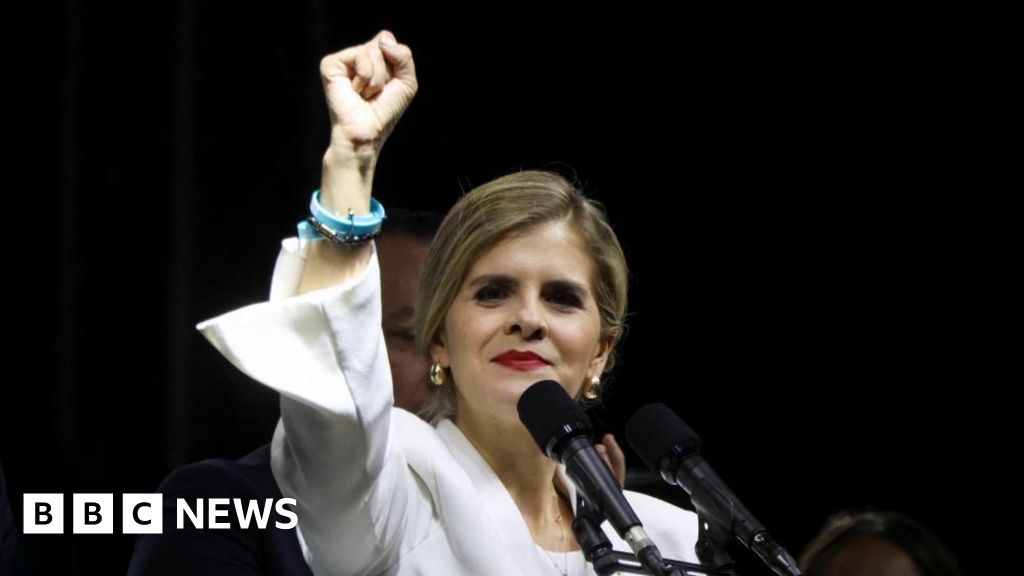
Laura Fernández won the election outright in the first round amid concern about a rise in organised crime.
Watch LiveBritish Broadcasting CorporationHomeNewsSportBusinessTechnologyHealthCultureArtsTravelEarthAudioVideoLiveDocumentariesHomeNewsUS & CanadaUKUK PoliticsEnglandN. IrelandN. Ireland PoliticsScotlandScotland PoliticsWalesWales PoliticsAfricaAsiaChinaIndiaAustraliaEuropeLatin AmericaMiddle EastIn PicturesBBC InDepthBBC VerifySportBusinessWorld of BusinessTechnology of BusinessNYSE Opening BellTechnologyWatch DocumentariesArtificial IntelligenceAI v the MindHealthWatch DocumentariesCultureWatch DocumentariesFilm & TVMusicArt & DesignStyleBooksEntertainment NewsArtsWatch DocumentariesArts in MotionTravelWatch DocumentariesDestinationsAfricaAntarcticaAsiaAustralia and PacificCaribbean & BermudaCentral AmericaEuropeMiddle EastNorth AmericaSouth AmericaWorld’s TableCulture & ExperiencesAdventuresThe SpeciaListEarthWatch DocumentariesScienceNatural WondersClimate SolutionsSustainable BusinessGreen LivingAudioPodcast CategoriesRadioAudio FAQsVideoWatch DocumentariesBBC MaestroDiscover the WorldLiveLive NewsLive SportDocumentariesHomeNewsSportBusinessTechnologyHealthCultureArtsTravelEarthAudioVideoLiveDocumentariesWeatherNewslettersWatch LiveCandidate tough on crime wins Costa Rica presidential election2 hours agoShareSaveVanessa BuschschlüterLatin America online editorShareSaveReutersLaura Fernández sailed to victory in the first round with no need for a run-offThe candidate for the governing conservative Sovereign People's Party, Laura Fernández, has won the presidential election in Costa Rica.
With more than 88% of the votes counted, Fernández had over 48% of the votes, far ahead of the second-placed centrist candidate, Álvaro Ramos, who conceded defeat.
Fernández ran on a promise to deepen the tough-on-crime approach of the outgoing President Rodrigo Chaves, who had handpicked her as his successor.
Voters had said they were concerned about a surge in drug-related violence in the Central American country.
The size of her vote share - which exceeded the 40% needed to win outright in the first round - means that there is no need for a run-off.
In her victory speech, the 39-year-old said she would plough ahead with the policies introduced by Chaves, whose chief of staff she was.
Under Costa Rica's constitution, presidents are not allowed to serve two consecutive terms and Chaves was therefore barred from standing for re-election.
Fernández has hinted she may appoint him to a post in her cabinet.
Costa Rica, one of Central America's safest countries and a stable democracy, has seen a rise in crime over the past years as transnational criminal gangs have expanded in the region.
On the campaign trail, Fernández said she would emulate some of the policies of the El Salvador's President Nayib Bukele.
Bukele has sky-high approval ratings with Salvadoreans saying they are grateful for his iron-fist approach to crime, which has seen the murder rate plummet.
Fernández has said she will declare a state of emergency in areas where gangs hold sway and finish the construction of a high-security jail similar to the Cecot prison in El Salvador.
Addressing concerns by her critics that her policies could erode the rights of citizens, Fernández declared in her victory speech that her government would be one of "dialogue and national harmony, respectful and firmly based in the rule of law".
She did however strike a combative note too, criticising the opposition for its "obstruction and sabota


0 Comments