
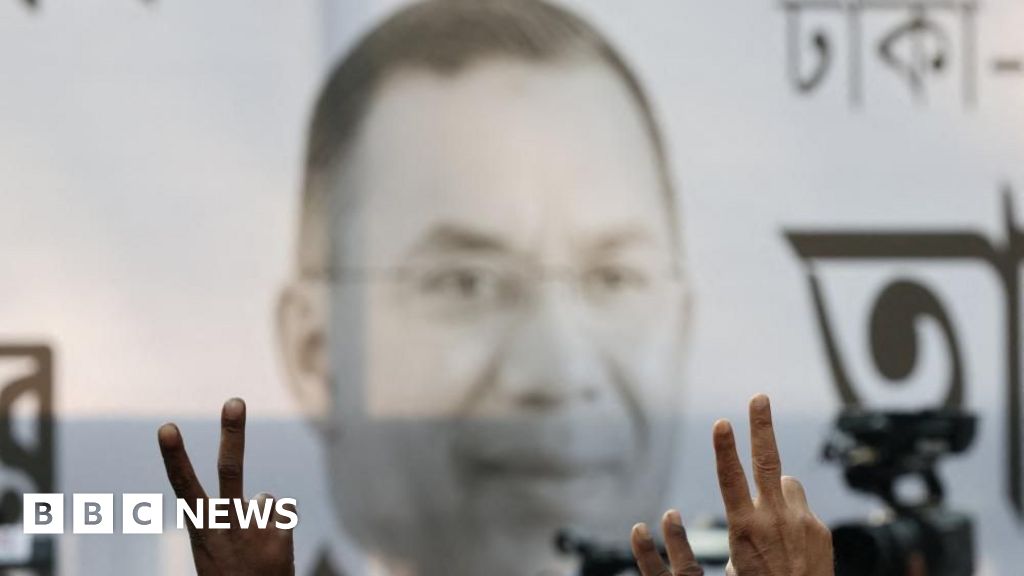
Voters are hoping for a return to democracy after 15 years of authoritarian rule under Sheikh Hasina.
Watch LiveBritish Broadcasting CorporationHomeNewsSportBusinessTechnologyHealthCultureArtsTravelEarthAudioVideoLiveDocumentariesHomeNewsUS & CanadaUKUK PoliticsEnglandN. IrelandN. Ireland PoliticsScotlandScotland PoliticsWalesWales PoliticsAfricaAsiaChinaIndiaAustraliaEuropeLatin AmericaMiddle EastIn PicturesBBC InDepthBBC VerifySportBusinessWorld of BusinessTechnology of BusinessNYSE Opening BellTechnologyWatch DocumentariesArtificial IntelligenceAI v the MindHealthWatch DocumentariesCultureWatch DocumentariesFilm & TVMusicArt & DesignStyleBooksEntertainment NewsArtsWatch DocumentariesArts in MotionTravelWatch DocumentariesDestinationsAfricaAntarcticaAsiaAustralia and PacificCaribbean & BermudaCentral AmericaEuropeMiddle EastNorth AmericaSouth AmericaWorld’s TableCulture & ExperiencesAdventuresThe SpeciaListEarthWatch DocumentariesScienceNatural WondersClimate SolutionsSustainable BusinessGreen LivingAudioPodcast CategoriesRadioAudio FAQsVideoWatch DocumentariesBBC MaestroDiscover the WorldLiveLive NewsLive SportDocumentariesHomeNewsSportBusinessTechnologyHealthCultureArtsTravelEarthAudioVideoLiveDocumentariesWeatherNewslettersWatch LiveBangladesh Nationalist Party sweeps to victory in first election since Gen Z uprising1 hour agoShareSaveSimon Fraser,Asia digital editor, LondonandYogita Limaye,South Asia and Afghanistan correspondent, DhakaShareSaveReutersTarique Rahman has been out of the country for 17 years. He has promised democracy will be restoredThe centre-right Bangladesh Nationalist Party (BNP) has secured a landslide majority in parliament, 18 months after mass protests ousted the country's longest serving prime minister Sheikh Hasina.
The party took more than two-thirds of seats in the historic general election, with Jamaat, the country's main Islamist party, coming second. Hasina's Awami League was banned from taking part.
BNP leader Tarique Rahman is set to be the next prime minister and faces huge challenges in getting the economy back on its feet and restoring democracy after 15 years of authoritarian rule under Hasina.
Voters also backed sweeping democratic reforms in a referendum held alongside the election.
"I am grateful for the love you have shown me," Tarique Raman told well-wishers in Dhaka as he attended Friday prayers. His party has said there would be no victory procession.
He was elected to parliament for the first time as one of 212 successful BNP candidates. The Election Commission put voter turnout at 59.44%.
It is a huge change of fortunes for a man who spent 17 years in self-imposed exile in London. He took over as head of his party after his mother, former PM Khaleda Zia, died in December.
During his campaign, Tarique Rahman promised that democracy would be restored.
Reviving the country's economy, bringing rising food prices under control and creating jobs for Bangladesh's huge young population are the big challenges facing the new government.
Repairing strained ties with giant neighbour India is also high up the list of priorities.
Within hours of his win, Rahman had received a call from India's Prime Minister Narendra Modi who congratulated him on a "remarkable victory".
"As two close neighbours with deep-rooted historical and cultural ties, I reaffirmed India's continued commitment to the peace, progress, and prosperity of both our peoples," Modi wrote on X.
Although the BNP are promising to lead change


0 Comments