
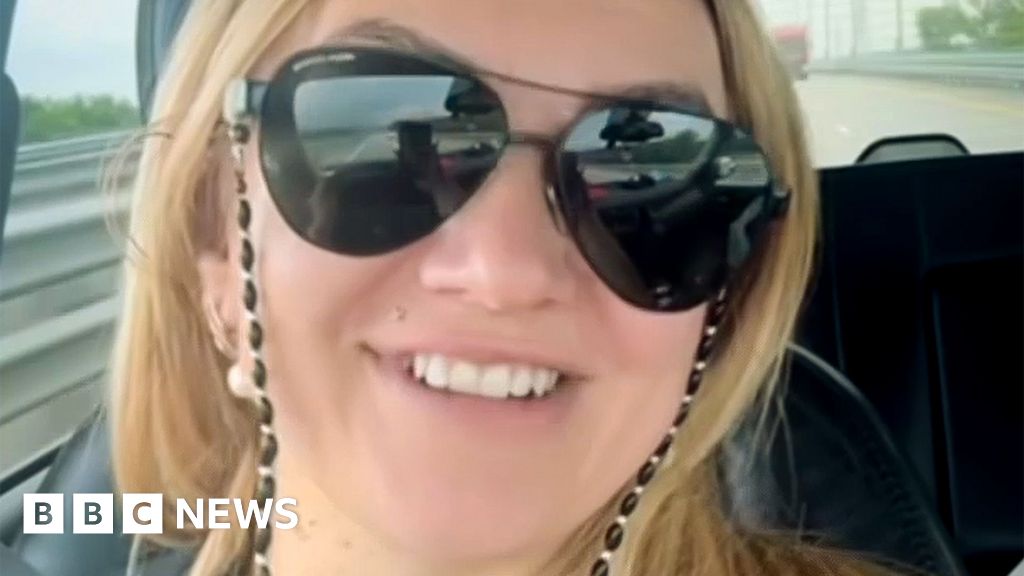
Recruits tell the BBC an ex-teacher who operates on Telegram misled them, saying they could avoid combat.
Watch LiveBritish Broadcasting CorporationHomeNewsSportBusinessInnovationHealthCultureArtsTravelEarthAudioVideoLiveDocumentariesHomeNewsIsrael-Gaza WarWar in UkraineUS & CanadaUKUK PoliticsEnglandN. IrelandN. Ireland PoliticsScotlandScotland PoliticsWalesWales PoliticsAfricaAsiaChinaIndiaAustraliaEuropeLatin AmericaMiddle EastIn PicturesBBC InDepthBBC VerifySportBusinessExecutive LoungeTechnology of BusinessFuture of BusinessInnovationWatch DocumentariesTechnologyScienceArtificial IntelligenceAI v the MindHealthWatch DocumentariesCultureWatch DocumentariesFilm & TVMusicArt & DesignStyleBooksEntertainment NewsArtsWatch DocumentariesArts in MotionTravelWatch DocumentariesDestinationsAfricaAntarcticaAsiaAustralia and PacificCaribbean & BermudaCentral AmericaEuropeMiddle EastNorth AmericaSouth AmericaWorld’s TableCulture & ExperiencesAdventuresThe SpeciaListEarthWatch DocumentariesNatural WondersWeather & ScienceClimate SolutionsSustainable BusinessGreen LivingAudioPodcast CategoriesRadioAudio FAQsVideoWatch DocumentariesBBC MaestroDiscover the WorldLiveLive NewsLive SportDocumentariesHomeNewsSportBusinessInnovationHealthCultureArtsTravelEarthAudioVideoLiveDocumentariesWeatherNewslettersWatch Live'We were tricked': How one woman lures foreign men to fight on Russia's front line7 hours agoShareSaveNawal Al-Maghafi,Senior international investigations correspondentandSheida Kiran,BBC Eye InvestigationsShareSave'Do you recognise your passport? Now look what will happen to it', says unseen woman in a videoFlames lick around the edges of Omar's passport. "It's burning well," an unseen woman says in Russian in the video.
Omar, a 26-year-old Syrian construction worker, had been deployed for about nine months on the front line of Russia's war in Ukraine when the clip arrived on his phone.
He knew the woman's voice. It was Polina Alexandrovna Azarnykh, who he says had helped him sign up to fight for Russia, promising lucrative work and Russian citizenship. But now she was angry.
In a series of voice notes from Ukraine, Omar, speaking under a pseudonym for his safety, describes how he ended up trapped and terrified in the war zone.
He says Azarnykh had promised that if he paid her $3,000 (£2,227), she would ensure he stayed in a non-combat role. But, he says, he was sent into battle with just 10 days of training, so he refused to pay and she eventually responded by burning his passport.
He says he tried refusing to take part in a mission, but his commanders threatened to kill or jail him.
"We were tricked… this woman is a con artist and a liar," says Omar.
A BBC Eye investigation has followed how Azarnykh, a 40-year-old former teacher, uses a Telegram channel to lure young men, often from poor countries, into joining Russia's military.
The former teacher's smiling video messages and upbeat posts offer "one-year contracts" for "military service".
The BBC World Service has identified nearly 500 cases where she has provided documents, referred to as invitations, which allow the recipient to enter Russia to join the military. These have been for men - mainly from Syria, Egypt and Yemen - who appear to have sent her their passport details in order to enlist.
But recruits and their relatives have told the BBC that she misled men into believing they would avoid combat, failed to make clear they could not leave after a year and thre


0 Comments