
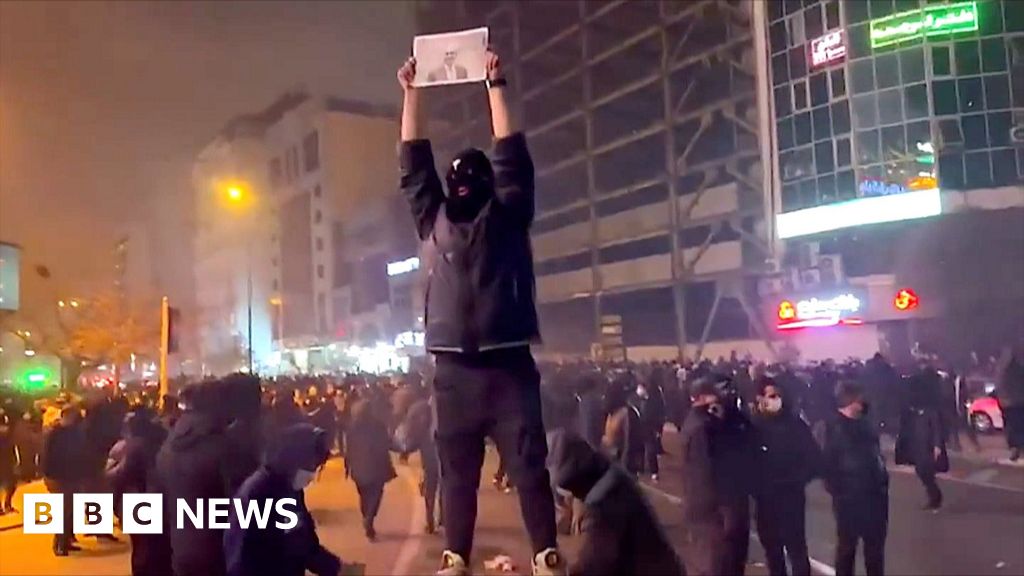
The BBC has received eyewitness accounts of security forces attacking anti-government protesters across the country.
Watch LiveBritish Broadcasting CorporationHomeNewsSportBusinessInnovationHealthCultureArtsTravelEarthAudioVideoLiveDocumentariesHomeNewsIsrael-Gaza WarWar in UkraineUS & CanadaUKUK PoliticsEnglandN. IrelandN. Ireland PoliticsScotlandScotland PoliticsWalesWales PoliticsAfricaAsiaChinaIndiaAustraliaEuropeLatin AmericaMiddle EastIn PicturesBBC InDepthBBC VerifySportBusinessExecutive LoungeTechnology of BusinessFuture of BusinessInnovationWatch DocumentariesTechnologyScienceArtificial IntelligenceAI v the MindHealthWatch DocumentariesCultureWatch DocumentariesFilm & TVMusicArt & DesignStyleBooksEntertainment NewsArtsWatch DocumentariesArts in MotionTravelWatch DocumentariesDestinationsAfricaAntarcticaAsiaAustralia and PacificCaribbean & BermudaCentral AmericaEuropeMiddle EastNorth AmericaSouth AmericaWorld’s TableCulture & ExperiencesAdventuresThe SpeciaListEarthWatch DocumentariesNatural WondersWeather & ScienceClimate SolutionsSustainable BusinessGreen LivingAudioPodcast CategoriesRadioAudio FAQsVideoWatch DocumentariesBBC MaestroDiscover the WorldLiveLive NewsLive SportDocumentariesHomeNewsSportBusinessInnovationHealthCultureArtsTravelEarthAudioVideoLiveDocumentariesWeatherNewslettersWatch Live'They just kept killing': Eyewitnesses describe deadly crackdown in Iran9 hours agoShareSaveRoja AssadiandSarah Namjoo,BBC PersianShareSavePublic domainA protester holds up a picture of crown prince Reza Pahlavi in Kaj Square, north-western Tehran on Friday"I saw it with my own eyes - they fired directly into lines of protesters, and people fell where they stood."
Omid's voice was shaking as he spoke, fearful of being traced. Breaking the wall of silence between Iran and the rest of the world takes immense courage, given the risk of reprisals by the authorities.
Omid, in his early 40s and whose name we have changed for his safety, has been protesting on the streets of a small city in southern Iran over the past few days against worsening economic hardship.
He said security forces had opened fire at unarmed protesters in his city with Kalashnikov-style assault rifles.
"We are fighting a brutal regime with empty hands," he said.
The BBC has received similar accounts of the crackdown by security forces following the widespread protests across the country last week.
Since then, internet access has been cut by the authorities, making reporting from Iran more difficult than ever. BBC Persian is banned from reporting inside Iran by the government.
One of the largest nationwide anti-government protests took place on Thursday, the twelfth night of demonstrations. Many people appear to have joined the protests on Thursday and Friday after calls from Reza Pahlavi, the exiled son of the last shah of Iran who was overthrown in the 1979 Islamic revolution.
The following day, Iran's Supreme Leader Ali Khamenei said: "The Islamic Republic will not back down." It appears that the worst bloodshed occurred after that warning as security forces and the Islamic Revolutionary Guard Corps take their orders from him.
Iranian authorities accused the US and Israel of fomenting trouble and condemned "terrorist actions", state media reported.
A young woman from Tehran said last Thursday felt like "the day of judgement".
"Even remote neighbourhoods of Tehran were packed with protesters - places you wouldn't believe," she said.
"But on Friday, security f


0 Comments