
A woman named Marie who was in a bar opposite Le Constellation helped the injured as they ran from the flames.
Watch LiveBritish Broadcasting CorporationHomeNewsSportBusinessInnovationHealthCultureArtsTravelEarthAudioVideoLiveDocumentariesHomeNewsIsrael-Gaza WarWar in UkraineUS & CanadaUKUK PoliticsEnglandN. IrelandN. Ireland PoliticsScotlandScotland PoliticsWalesWales PoliticsAfricaAsiaChinaIndiaAustraliaEuropeLatin AmericaMiddle EastIn PicturesBBC InDepthBBC VerifySportBusinessExecutive LoungeTechnology of BusinessFuture of BusinessInnovationWatch DocumentariesTechnologyScienceArtificial IntelligenceAI v the MindHealthWatch DocumentariesCultureWatch DocumentariesFilm & TVMusicArt & DesignStyleBooksEntertainment NewsArtsWatch DocumentariesArts in MotionTravelWatch DocumentariesDestinationsAfricaAntarcticaAsiaAustralia and PacificCaribbean & BermudaCentral AmericaEuropeMiddle EastNorth AmericaSouth AmericaWorld’s TableCulture & ExperiencesAdventuresThe SpeciaListEarthWatch DocumentariesNatural WondersWeather & ScienceClimate SolutionsSustainable BusinessGreen LivingAudioPodcast CategoriesRadioAudio FAQsVideoWatch DocumentariesBBC MaestroDiscover the WorldLiveLive NewsLive SportDocumentariesHomeNewsSportBusinessInnovationHealthCultureArtsTravelEarthAudioVideoLiveDocumentariesWeatherNewslettersWatch LiveNight of Swiss ski bar fire 'apocalyptic', woman tells Crans-Montana memorial 11 hours agoShareSaveSarah RainsfordSouthern Europe correspondent in Crans-MontanaShareSave'In this shared grief we stand united': Day of mourning for New Year's Eve fire victims in SwitzerlandTragedy brought people together in Crans-Montana and brought the country to a standstill.
On Friday, just down the road from the bar where 40 young people were killed by fire on New Year's Eve, church bells rang in their memory.
They tolled right across Switzerland, to mark a national day of mourning.
Then, moments after the last notes of a special memorial service had faded, came the news that one of the bar's owners had been detained.
Many of the victims' families had demanded action like this from the start: more than a week after the fire, the anger in this community has been increasing.
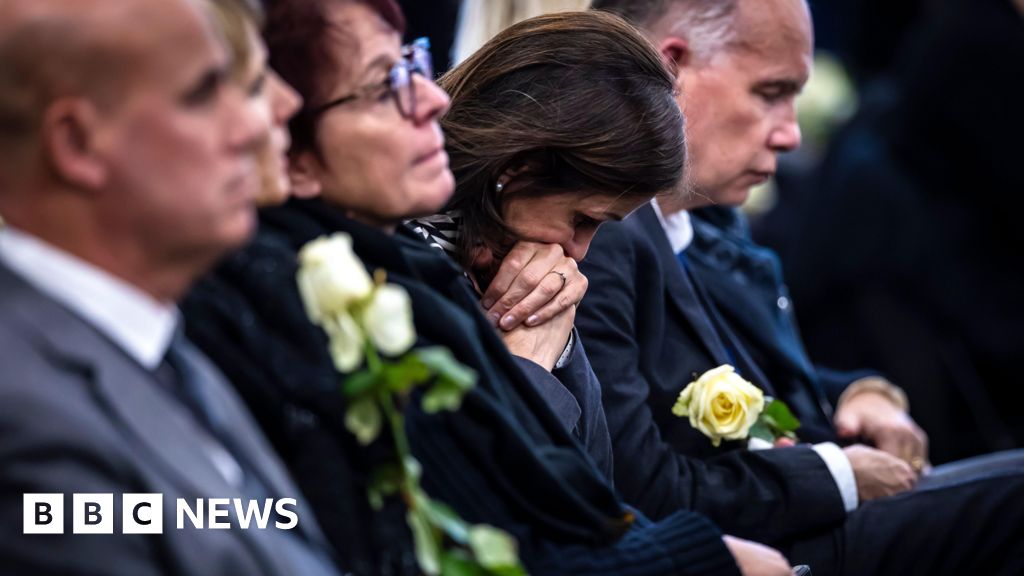
At the main ceremony in Martigny, down in the valley, relatives of the dead were joined by survivors. Some had come from hospital for the memorial. People held white roses in their laps and gripped each other's hands for support.
"The images we faced were unbearable. A scene worse than a nightmare. Screams ringing out in the icy cold, the smell of burning. It was apocalyptic," a young woman called Marie told the audience.
She had been in a bar opposite Le Constellation when the fire broke out and suddenly found herself helping the injured as they ran from the flames.
She said she would never forget what she'd seen.
Listening in the front row were the presidents of France and Italy, whose citizens were among those killed and injured in the fire. Both countries have opened their own investigations.
Back in Rome, Italy's prime minister vowed to make sure all those responsible were identified.
"This was no accident. It was the result of too many people who did not do their jobs," Giorgia Meloni said.
She wants to know why the music wasn't cut as soon as the fire started.
"Why did no-one tell the young people to get out? Why did the council not make the proper checks? There are too many whys."
In Crans-Montana people have the same questions and many more.
For now, the only


0 Comments