
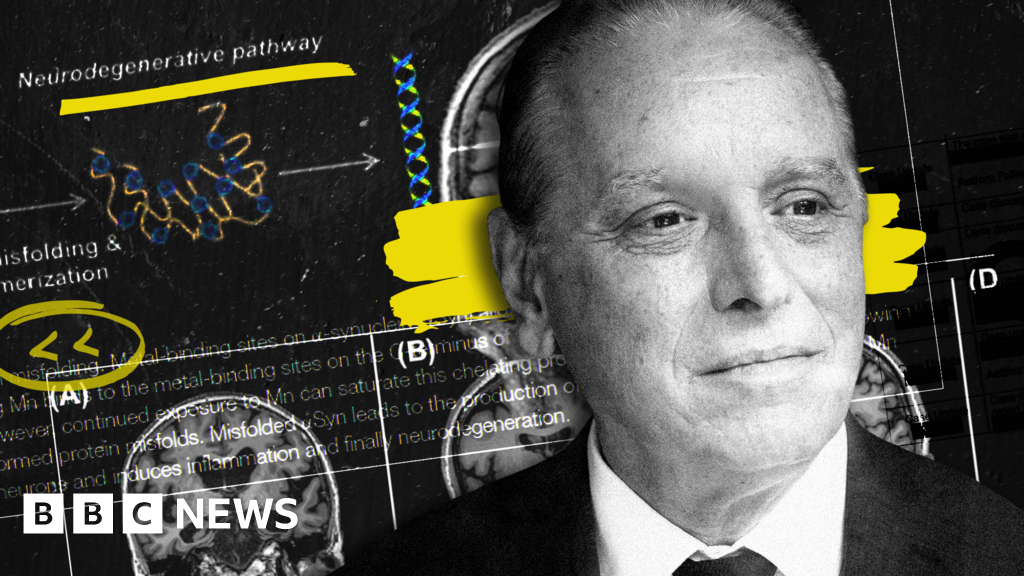
A small Canadian province feared it had a mystery neurological illness on its hands. The search for answers set off a battle for the truth.
Watch LiveBritish Broadcasting CorporationHomeNewsSportBusinessInnovationHealthCultureArtsTravelEarthAudioVideoLiveDocumentariesHomeNewsIsrael-Gaza WarWar in UkraineUS & CanadaUKUK PoliticsEnglandN. IrelandN. Ireland PoliticsScotlandScotland PoliticsWalesWales PoliticsAfricaAsiaChinaIndiaAustraliaEuropeLatin AmericaMiddle EastIn PicturesBBC InDepthBBC VerifySportBusinessExecutive LoungeTechnology of BusinessFuture of BusinessInnovationWatch DocumentariesTechnologyScienceArtificial IntelligenceAI v the MindHealthWatch DocumentariesCultureWatch DocumentariesFilm & TVMusicArt & DesignStyleBooksEntertainment NewsArtsWatch DocumentariesArts in MotionTravelWatch DocumentariesDestinationsAfricaAntarcticaAsiaAustralia and PacificCaribbean & BermudaCentral AmericaEuropeMiddle EastNorth AmericaSouth AmericaWorld’s TableCulture & ExperiencesAdventuresThe SpeciaListEarthWatch DocumentariesNatural WondersWeather & ScienceClimate SolutionsSustainable BusinessGreen LivingAudioPodcast CategoriesRadioAudio FAQsVideoWatch DocumentariesBBC MaestroDiscover the WorldLiveLive NewsLive SportDocumentariesHomeNewsSportBusinessInnovationHealthCultureArtsTravelEarthAudioVideoLiveDocumentariesWeatherNewslettersWatch Live'The answer cannot be nothing': The battle over Canada's mystery brain disease11 hours agoShareSaveJoel Gunter,senior international reporter, New BrunswickandNadine Yousif,senior Canada reporter, New BrunswickShareSaveBBCFive hundred people in a small Canadian province were diagnosed with a mystery brain disease. What would it mean for the patients if the disease was never real?
In early 2019, officials at a hospital in the small Canadian province of New Brunswick noticed that two patients had contracted an extremely rare brain condition known as Creutzfeldt-Jakob Disease, or CJD.
CJD is both fatal and potentially contagious, so a group of experts was quickly assembled to investigate. Fortunately for New Brunswick, the disease didn't spread. But the story didn't end there. In fact, it was just beginning.
Among the experts was Alier Marrero, a soft-spoken, Cuban-born neurologist who had been working in the province for about six years. Marrero would share some worrying information with the other members of the group. He had been seeing patients with unexplained CJD-like symptoms for several years, he said, including young people who showed signs of a rapidly progressing dementia. The number of cases was already more than 20, Marrero said, and several patients had already died.
Because of the apparent similarity to CJD, Marrero had been reporting these cases to Canada's Creutzfeldt-Jakob Disease Surveillance System, or CJDSS. But the results had been coming back negative. Marrero was stumped.
More worrying still, he was seeing a dizzying array of symptoms among the patients, according to his notes. There were cases of dementia, weight loss, unsteadiness, jerking movements and facial twitches. There were patients with spasms, visions, limb pain, muscle atrophy, dry skin and hair loss. Many said they were suffering with both insomnia and waking hallucinations. Patients reported excessive sweating and excessive drooling. Several exhibited Capgras Delusion, which causes someone to believe that a person close to them has been replaced by an identical-looking imposter. Others appeared to lose the ability to speak. One patient would report that she had forgotten how to write the letter Q.
Marrero o


0 Comments