
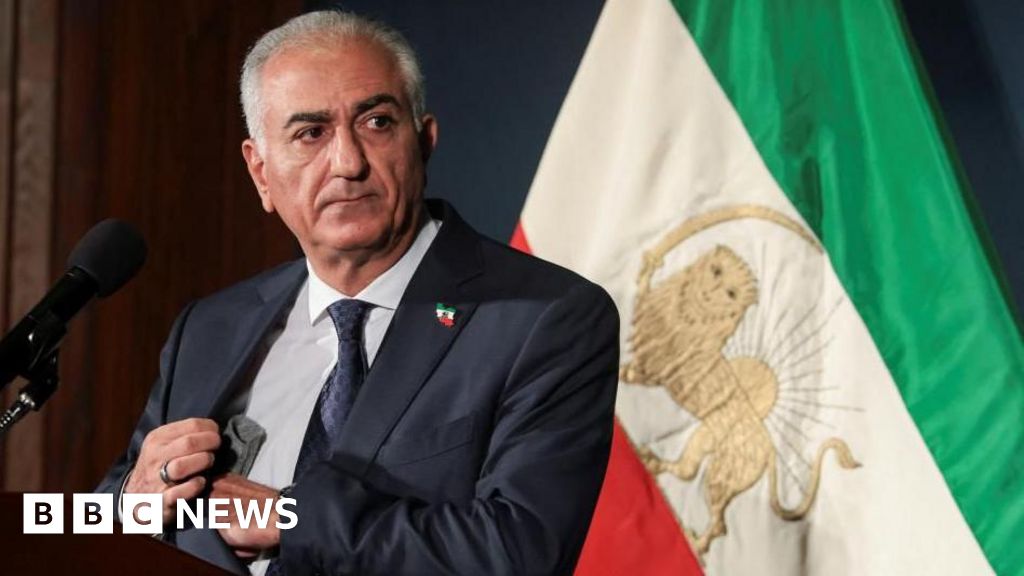
Reza Pahlavi, an opposition leader based in the US, called for "surgical" strikes on Iran's Revolutionary Guards.
Watch LiveBritish Broadcasting CorporationHomeNewsSportBusinessInnovationHealthCultureArtsTravelEarthAudioVideoLiveDocumentariesHomeNewsIsrael-Gaza WarWar in UkraineUS & CanadaUKUK PoliticsEnglandN. IrelandN. Ireland PoliticsScotlandScotland PoliticsWalesWales PoliticsAfricaAsiaChinaIndiaAustraliaEuropeLatin AmericaMiddle EastIn PicturesBBC InDepthBBC VerifySportBusinessExecutive LoungeTechnology of BusinessFuture of BusinessInnovationWatch DocumentariesTechnologyScienceArtificial IntelligenceAI v the MindHealthWatch DocumentariesCultureWatch DocumentariesFilm & TVMusicArt & DesignStyleBooksEntertainment NewsArtsWatch DocumentariesArts in MotionTravelWatch DocumentariesDestinationsAfricaAntarcticaAsiaAustralia and PacificCaribbean & BermudaCentral AmericaEuropeMiddle EastNorth AmericaSouth AmericaWorld’s TableCulture & ExperiencesAdventuresThe SpeciaListEarthWatch DocumentariesNatural WondersWeather & ScienceClimate SolutionsSustainable BusinessGreen LivingAudioPodcast CategoriesRadioAudio FAQsVideoWatch DocumentariesBBC MaestroDiscover the WorldLiveLive NewsLive SportDocumentariesHomeNewsSportBusinessInnovationHealthCultureArtsTravelEarthAudioVideoLiveDocumentariesWeatherNewslettersWatch LiveExiled crown prince urges world to help protesters topple Iran's government33 minutes agoShareSaveMallory MoenchShareSaveReutersThe exiled son of the last Iranian shah (king) has called on the world to help protesters topple Iran's government, saying he is confident "the Islamic Republic will fall - not if, but when".
Reza Pahlavi, a US-based opposition leader, called for a "surgical strike" on Iran's Revolutionary Guards, which he said would "facilitate our task and prevent more loss of life".
More than 2,000 protesters have been killed, according to human rights groups, in demonstrations that started over the economy on 28 December and turned into calls for the end of the rule of Iran's Supreme Leader Ali Hosseini Khamenei.
The Iranian government has called the protests "riots" backed by Iran's enemies.
Pahlavi has emerged as a prominent figure in Iran's fragmented opposition and has previously urged Iranians to escalate their protests.
But protesters have been met with deadly force by authorities, masked by a near total shutdown of the internet and communication services.
US President Donald Trump has warned Iran's government against killing protesters, telling demonstrators earlier this week that "help is on its way".
In an interview with CBS News, the BBC's US media partner, Trump said the US would take "very strong action" against Iran if it executed protesters.
He later said he had been told "the killing has stopped" - but did not rule out military action against the country.
Iran's parliament speaker had warned that if the US attacked, both Israel and US military and shipping centres in the region would become legitimate targets.
The US and UK have reduced the number of personnel at the Al-Udeid air base in Qatar, with one American official saying it was a "precautionary measure".
Speaking on Friday at a news conference in Washington, Pahlavi vowed to return to Iran and laid out a plan for creating a new constitution in the country.
He claimed that sections of Iran's security apparatus had refused to take part in the crackdown and that the Iranian authorities had brought in fig


0 Comments