
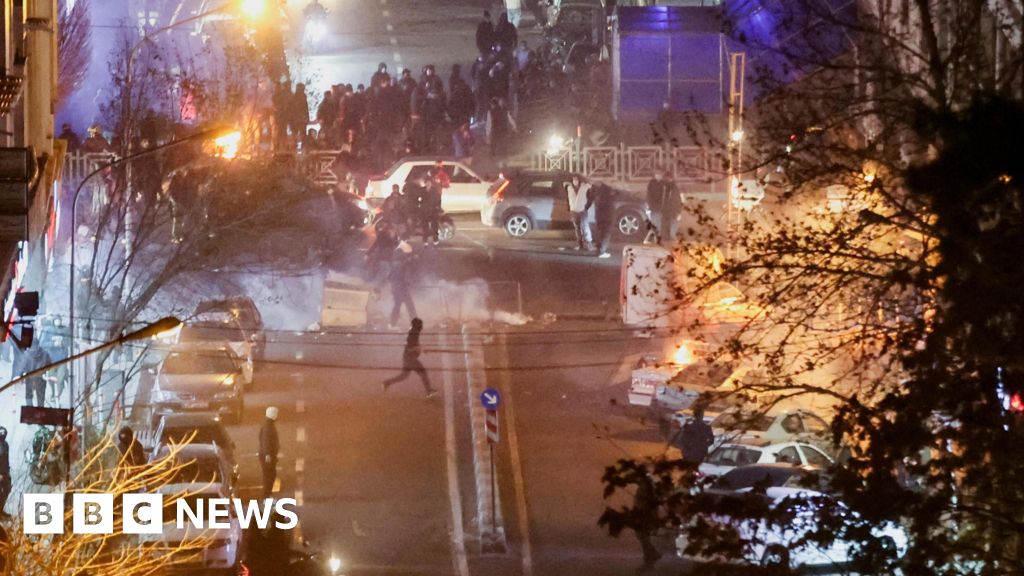
The regime's opponents will hope for more pressure to accelerate the process, writes the BBC's international editor.
Watch LiveBritish Broadcasting CorporationHomeNewsSportBusinessInnovationHealthCultureArtsTravelEarthAudioVideoLiveDocumentariesHomeNewsIsrael-Gaza WarWar in UkraineUS & CanadaUKUK PoliticsEnglandN. IrelandN. Ireland PoliticsScotlandScotland PoliticsWalesWales PoliticsAfricaAsiaChinaIndiaAustraliaEuropeLatin AmericaMiddle EastIn PicturesBBC InDepthBBC VerifySportBusinessExecutive LoungeTechnology of BusinessFuture of BusinessInnovationWatch DocumentariesTechnologyScienceArtificial IntelligenceAI v the MindHealthWatch DocumentariesCultureWatch DocumentariesFilm & TVMusicArt & DesignStyleBooksEntertainment NewsArtsWatch DocumentariesArts in MotionTravelWatch DocumentariesDestinationsAfricaAntarcticaAsiaAustralia and PacificCaribbean & BermudaCentral AmericaEuropeMiddle EastNorth AmericaSouth AmericaWorld’s TableCulture & ExperiencesAdventuresThe SpeciaListEarthWatch DocumentariesNatural WondersWeather & ScienceClimate SolutionsSustainable BusinessGreen LivingAudioPodcast CategoriesRadioAudio FAQsVideoWatch DocumentariesBBC MaestroDiscover the WorldLiveLive NewsLive SportDocumentariesHomeNewsSportBusinessInnovationHealthCultureArtsTravelEarthAudioVideoLiveDocumentariesWeatherNewslettersWatch LiveBowen: Authoritarian regimes die gradually then suddenly, but Iran is not there yet14 hours agoShareSaveJeremy BowenInternational editorShareSaveMortuary videos shows violent government crackdown in IranHow does an authoritarian regime die? As Ernest Hemingway famously said about going broke – gradually then suddenly.
The protesters in Iran and their supporters abroad were hoping that the Islamic regime in Tehran was at the suddenly stage. The signs are, if it is dying, it is still at gradual.
The last two weeks of unrest add up to a big crisis for the regime. Iranian anger and frustration have exploded into the streets before, but the latest explosion comes on top of all the military blows inflicted on Iran in the last two years by the US and Israel.
But more significant for hard-pressed Iranians struggling to feed their families has been the impact of sanctions.
In the latest blow for the Iranian economy, all the UN sanctions lifted under the now dead 2015 nuclear deal were reimposed by the UK, Germany and France in September. In 2025 food price inflation was more than 70%. The currency, the rial, reached a record low in December.
While the Iranian regime is under huge pressure, the evidence is that it's not about to die.
Crucially, the security forces remain loyal. Since the Islamic revolution in 1979 the Iranian authorities have spent time and money creating an elaborate and ruthless network of coercion and repression.
In the last two weeks, the regime's forces obeyed orders to shoot their fellow citizens in the streets. The result is that the demonstrations of the last few weeks have ended - as far as we can tell in a country whose rulers continue to impose a communications black out.
At the forefront of the suppression of protest is the Iranian Revolutionary Guards Corps (IRGC), the most important single organisation in the country.
It has the specific task of defending the ideology and system of government of the Islamic revolution of 1979, answering directly to the supreme leader, Ayatollah Ali Khamenei. The IRGC is estimated to have something like 150,000 men under arms, operating as a parallel force to Iran's conventional armed military. It is also a major player in the Iranian economy.
A p


0 Comments