
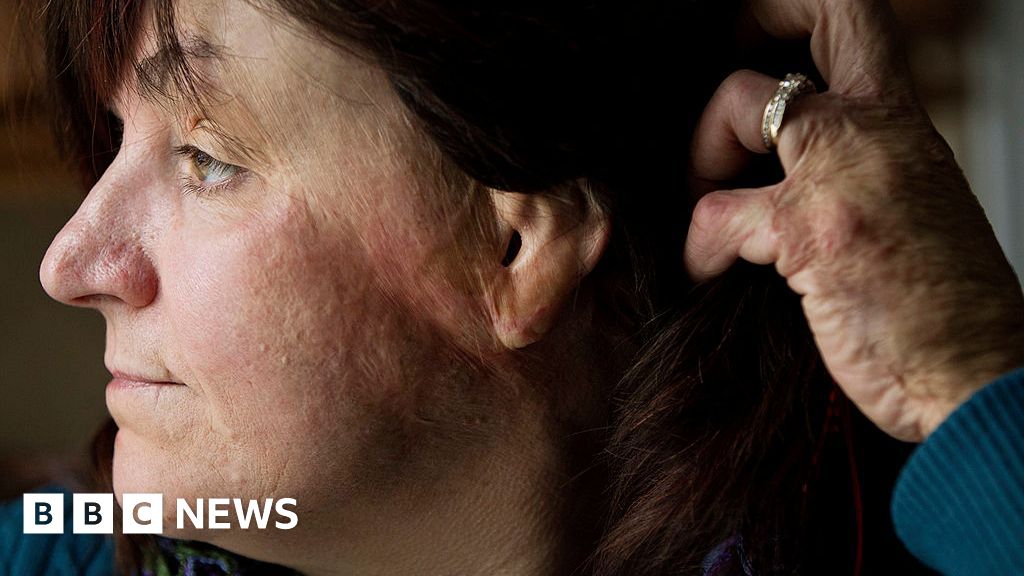
Twenty-two years before the Swiss ski resort fire, Gina escaped a near-identical disaster. Would you know what to do if it happened to you?
Watch LiveBritish Broadcasting CorporationHomeNewsSportBusinessInnovationHealthCultureArtsTravelEarthAudioVideoLiveDocumentariesHomeNewsIsrael-Gaza WarWar in UkraineUS & CanadaUKUK PoliticsEnglandN. IrelandN. Ireland PoliticsScotlandScotland PoliticsWalesWales PoliticsAfricaAsiaChinaIndiaAustraliaEuropeLatin AmericaMiddle EastIn PicturesBBC InDepthBBC VerifySportBusinessExecutive LoungeTechnology of BusinessFuture of BusinessInnovationWatch DocumentariesTechnologyScienceArtificial IntelligenceAI v the MindHealthWatch DocumentariesCultureWatch DocumentariesFilm & TVMusicArt & DesignStyleBooksEntertainment NewsArtsWatch DocumentariesArts in MotionTravelWatch DocumentariesDestinationsAfricaAntarcticaAsiaAustralia and PacificCaribbean & BermudaCentral AmericaEuropeMiddle EastNorth AmericaSouth AmericaWorld’s TableCulture & ExperiencesAdventuresThe SpeciaListEarthWatch DocumentariesNatural WondersWeather & ScienceClimate SolutionsSustainable BusinessGreen LivingAudioPodcast CategoriesRadioAudio FAQsVideoWatch DocumentariesBBC MaestroDiscover the WorldLiveLive NewsLive SportDocumentariesHomeNewsSportBusinessInnovationHealthCultureArtsTravelEarthAudioVideoLiveDocumentariesWeatherNewslettersWatch LiveA deadly fire swept through a nightclub in just 90 seconds. I got out9 hours agoShareSaveTom SymondsShareSaveThe Boston Globe/Getty ImagesWarning: This article contains themes you may find upsetting
Gina Russo was watching a gig with her husband-to-be, Fred Crisostomi, one night in 2003 when she realised something wasn't right.
Great White, an 80s hair-rock band, had opened their set with a thrash of guitar chords, as four large pyrotechnic flares shot out from the stage. The flares instantly set fire to the surrounding acoustic foam panels, installed to deaden the sound.
"It was immediate," Gina tells BBC News. "It got bad very fast. The backflash just happened that quick."
Then came "a black rain of smoke", Gina adds, the heat melting, then shattering, glass lights above people's heads. Gina and her fiance made for the nearest exit, a door to the right of the club's small stage. A bouncer blocked their way, but Gina has no idea why.
That's when "a stampede" began for the main exit, she says, and Fred desperately pushed her ahead in the crowd. Gina says "bodies were piling up" as people scrambled to get out - and her last memory was making it through the door to safety before passing out.
When she woke from an induced coma 11 weeks later, Gina learned her fiance had saved her life but had lost his in the fire.
This was at The Station nightclub in the snowy town of West Warwick, Rhode Island, on the east coast of the United States.
Some 22 years on, there was a near-identical event at Le Constellation bar in the equally snowy ski resort of Crans-Montana, Switzerland, in the early hours of New Year's Day 2026. At The Station nightclub, 100 people died and at Le Constellation, 40, mainly young people, lost their lives. Many survivors of both fires have severe burn injuries.
The two disasters have striking similarities, and not only in their appalling impact on victims. Both were caused by indoor pyrotechnics, experts say. Victims appear to have had little time to find an escape route, and foam panels may have spread the Swiss fire in an identical way to The Station nightclub fire.
UK fire investigation consultant Richard Hagger was quick to co


0 Comments