
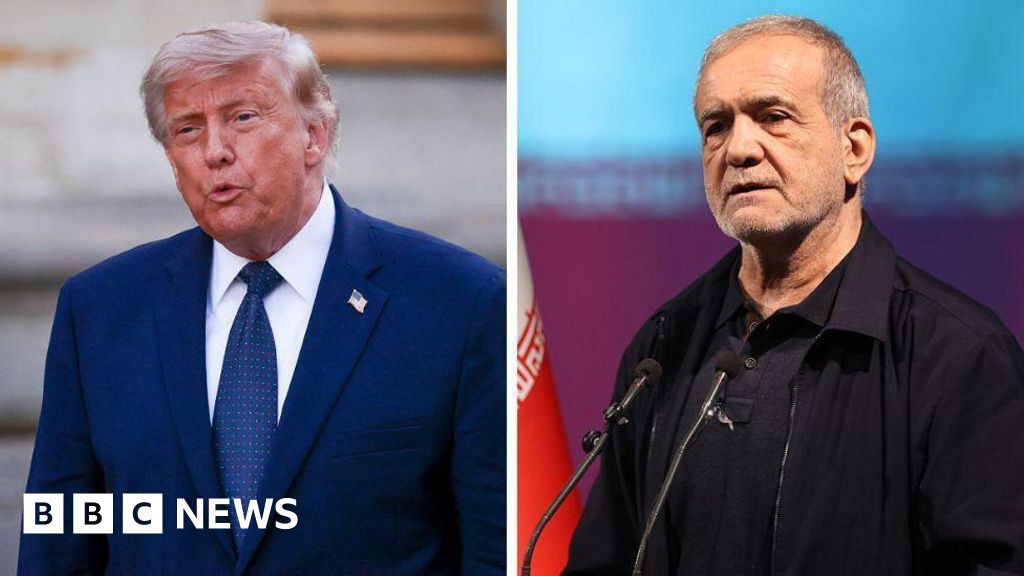
US President Donald Trump has formally signed a new agreement with Iran aimed at ending months of conflict, reopening the crucial Strait of Hormuz, and creating a path toward long-term economic recovery and stability in the region.
The 14-point Memorandum of Understanding was signed during the G7 summit in Evian-les-Bains, France, and has also been approved by Iranian President Masoud Pezeshkian. The agreement comes four months after fighting involving Iran, Israel, and regional forces escalated tensions across the Middle East.
One of the most significant provisions of the deal is Iran's commitment to never develop a nuclear weapon. In return, the agreement outlines plans for a reconstruction and economic development fund worth at least $300 billion, although the United States will not be required to contribute financially.
The deal also calls for an immediate and permanent end to military operations across all fronts, including Lebanon. Both sides have agreed not to threaten each other, respect sovereignty, and avoid interference in internal affairs.
A key objective of the agreement is the reopening of the Strait of Hormuz, one of the world's most important oil shipping routes. The waterway was disrupted during the conflict, causing global energy markets to react sharply. Under the agreement, Iran will facilitate the safe passage of commercial vessels without charging transit fees, while efforts begin to remove military obstacles and clear affected areas.
The United States has also agreed to gradually remove its naval blockade and reduce military forces positioned near Iran. According to the agreement, American military assets will return to levels that existed before hostilities began earlier this year.
Negotiators have set a 60-day timeline to reach a final and comprehensive agreement, although both sides may agree to extend the deadline if necessary. During this period, detailed discussions will continue on economic cooperation, regional security, and future diplomatic relations.
The agreement further states that all economic sanctions against Iran, including those imposed through United Nations resolutions and unilateral American measures, will eventually be lifted once the terms of the final deal are successfully implemented.
Supporters of the agreement argue that it could reduce tensions in the Middle East, stabilize global oil markets, and create new economic opportunities for Iran. However, critics note that many important details remain unresolved and that the success of the agreement will depend heavily on compliance by all parties involved.
With negotiations now officially underway, world leaders will be watching closely to see whether the agreement can deliver lasting peace and prevent future conflict in one of the world's most strategically important regions.


0 Comments