
A ceasefire agreement between Iran and the United States has officially brought an end to weeks of military confrontation, but analysts say the most difficult phase is only beginning.
Both governments have presented the agreement as a victory to their citizens. However, critics on both sides argue that too many concessions were made and that key issues remain unresolved.
For Iran, the deal represents more than just an end to fighting. It provides an opportunity for Tehran to claim that it survived the conflict without surrendering and preserved the country's political system and leadership structure. Iranian officials have emphasized that the country's sovereignty remains intact and that it has entered negotiations from a position of strength.
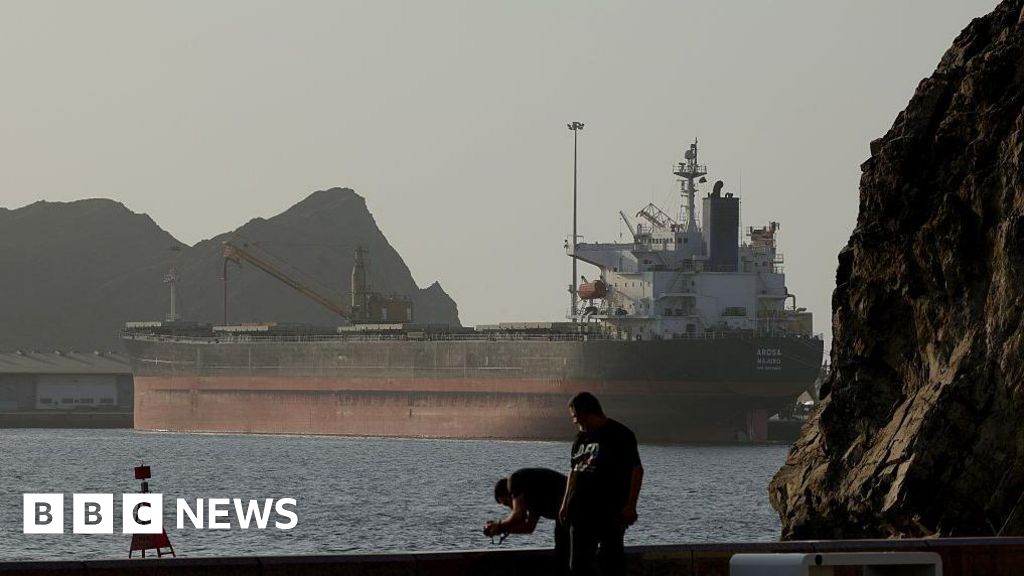
The Memorandum of Understanding (MoU), signed by US President Donald Trump and Iranian President Masoud Pezeshkian, establishes a 60-day framework for further negotiations over Iran's nuclear programme. It also includes an immediate halt to military operations, the reopening of the Strait of Hormuz, and the removal of restrictions affecting Iranian shipping.
Under the agreement, Iran has pledged to support safe commercial passage through the Strait of Hormuz, reaffirm that it does not intend to develop nuclear weapons, and participate in discussions regarding its uranium enrichment activities.
In return, the United States has agreed to begin easing restrictions on Iranian oil exports, make certain frozen assets available, reduce economic pressure through sanctions relief measures, and support regional efforts aimed at economic reconstruction and development.
Despite the breakthrough, major disagreements remain unresolved. The future of Iran's nuclear programme, its stockpile of highly enriched uranium, and the reconstruction of damaged nuclear facilities will all be discussed during the next phase of negotiations.
Iranian leaders now face a delicate political challenge. State media and hardline groups have spent weeks portraying the conflict as a victory over the United States and Israel. Any compromise made during the upcoming talks could be criticized domestically as an unnecessary concession.
At the same time, refusing to compromise could threaten the entire agreement and increase the risk of renewed conflict. Analysts warn that failure to reach a final settlement could strengthen voices in both Washington and Israel calling for a tougher approach toward Tehran.
The deal also carries political significance for President Trump. The reopening of the Strait of Hormuz is expected to reduce pressure on global energy markets and help stabilize fuel prices, an issue that has become increasingly important for American voters.
Supporters of the agreement argue that it prevents a prolonged conflict while opening the door for diplomacy. Critics, including some members of Trump's own Republican Party, have questioned whether the economic benefits offered to Iran go too far and could weaken US leverage in future negotiations.
While the ceasefire has ended active fighting, both sides now face the more difficult task of turning a temporary agreement into a lasting settlement. The next two months are expected to determine whether the current truce becomes a foundation for peace or merely a pause before another crisis.


0 Comments