
The United States and Iran have agreed on a roadmap aimed at reaching a final agreement within 60 days following a new round of negotiations held in Switzerland.
The talks, which took place in the Swiss resort town of Bürgenstock, were mediated by Qatar and Pakistan. In a joint statement, the mediators said both sides had agreed to continue discussions and work toward a comprehensive deal covering nuclear issues, sanctions, and regional security.
US Vice President JD Vance described the discussions as productive and said they had created a strong foundation for future negotiations. He added that conversations regarding the return of inspectors from the International Atomic Energy Agency (IAEA) could begin immediately and were expected to move forward within the week.
A major development from the talks was the United States' decision to temporarily ease sanctions on Iran. The 60-day waiver allows Iran to sell oil in US dollars and removes several restrictions that have limited the country's ability to trade internationally for decades. The measure also permits banking transactions, insurance services, transportation arrangements, and direct imports of Iranian oil into the United States until August 21.
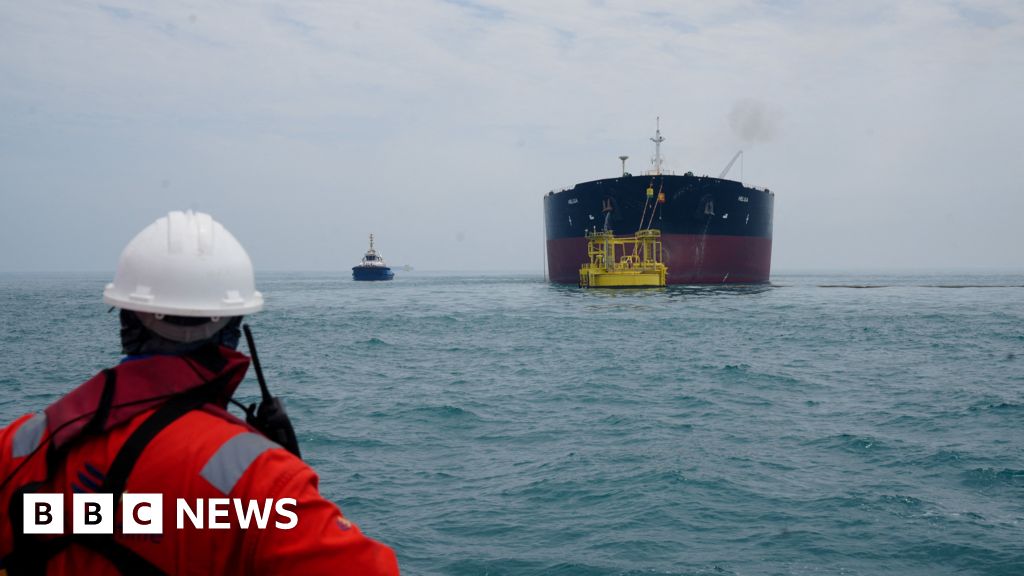
US officials said the sanctions relief was linked to commitments from Iran to keep the Strait of Hormuz open and allow nuclear inspections to resume. The waterway is one of the world's most important oil shipping routes, making its security critical to global energy markets.
However, Iran has denied making any new commitments regarding nuclear inspections. Foreign Ministry spokesman Esmail Baqai stated that any future cooperation with international inspectors would follow existing laws and procedures established by Iran's parliament and national security authorities.
Relations between Iran and international nuclear inspectors have remained strained since last year's conflict involving Iran, Israel, and the United States. Following attacks on several nuclear-related facilities, Iran suspended access to some sites, leading the UN nuclear watchdog to withdraw its remaining inspectors from the country.
The latest negotiations also addressed regional security concerns, including efforts to maintain safe shipping through the Strait of Hormuz and reduce tensions in Lebanon. According to the mediators, both sides agreed to establish communication channels designed to prevent misunderstandings and support stability in the region.
Despite signs of progress, challenges remain. US President Donald Trump warned that Washington would take action if Iran failed to honor any future agreement, while Iranian officials stressed that key issues remain unresolved.
Negotiators are expected to continue technical discussions in the coming weeks as both sides attempt to build on the progress made during the first round of talks.


0 Comments