
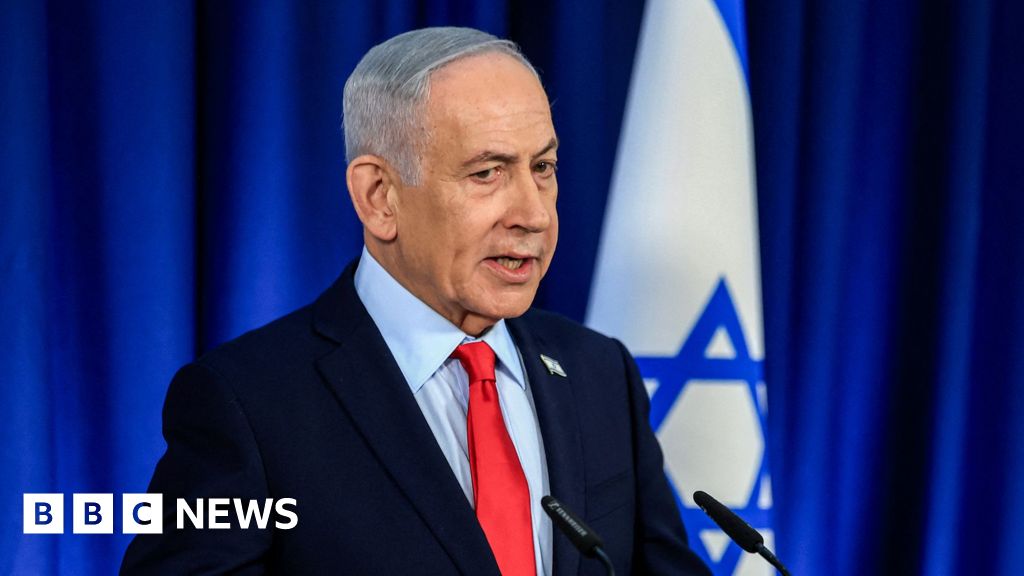
Israeli Prime Minister Benjamin Netanyahu is facing growing political pressure following a ceasefire agreement between the United States and Iran that many critics believe has weakened Israel's position in the region.
The agreement, which reportedly requires military operations to cease across multiple fronts, including Lebanon, has sparked criticism from both opposition figures and members of Netanyahu's own political coalition. Critics argue that the deal limits Israel's ability to confront regional threats, particularly the Iran-backed militant group Hezbollah.
Opposition leader Yair Lapid described Netanyahu's situation as a difficult choice between damaging relations with Israel's closest ally, the United States, or accepting an agreement that some believe does not fully protect Israeli interests.
Several senior Israeli politicians have openly rejected the idea that the ceasefire should restrict Israel's security operations. National Security Minister Itamar Ben-Gvir stated that Israel is not bound by any agreement that fails to guarantee the country's security.
Netanyahu defended his record during a press conference in Jerusalem, insisting that preventing Iran from obtaining nuclear weapons remains his top priority. He acknowledged that differences occasionally exist between Israel and the United States but emphasized that Israel would continue to act whenever it faces threats.
The latest controversy comes as Israel approaches a general election expected before the end of October. Security has long been one of Netanyahu's strongest political arguments, but ongoing conflicts in Gaza, Lebanon, and Syria have raised questions about the effectiveness of Israel's current strategy.
While Israel has carried out extensive military operations against Hamas and Hezbollah in recent years, both groups continue to maintain influence. At the same time, tensions with Iran remain high despite international efforts to reduce the risk of wider conflict.
Political analysts say Netanyahu now faces one of the most challenging periods of his leadership. Any move against the ceasefire arrangement could create friction with Washington, while accepting its conditions could expose him to criticism from voters and political allies who believe Israel should maintain complete freedom to act against regional threats.
With elections drawing closer, Netanyahu's handling of relations with the United States, Iran, and neighboring militant groups is likely to become a central issue in Israel's political debate.


0 Comments