
The geopolitical pressure cooker around Iran just started boiling over again.
The US Central Command (Centcom) announced that it carried out what it described as “self-defence strikes” in southern Iran on Monday, targeting missile sites and boats allegedly preparing to lay mines. The operation, according to Centcom, was meant to shield US forces from what it called immediate threats.
Iran responded fast and hard.
The Iran foreign ministry accused the United States of “aggressive and unjustified actions,” warning that Washington would be held responsible for consequences in the Hormozgan region, which sits along one of the most strategically sensitive waterways on Earth — the Strait of Hormuz.
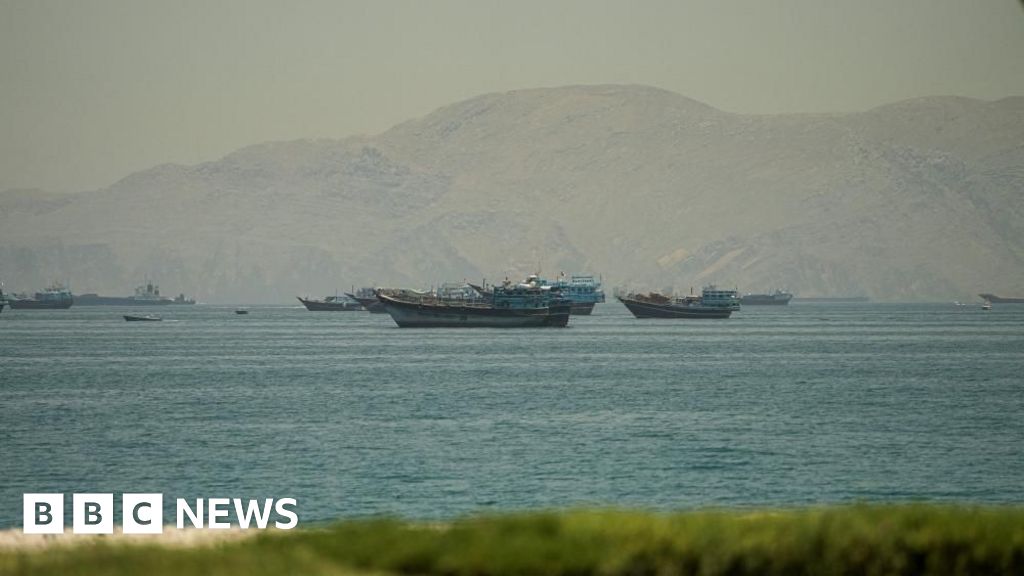
That strait isn’t just geography — it’s global energy lifeblood. Roughly a fifth of the world’s oil moves through it, and disruptions there tend to echo across global markets like a shockwave through glass.
Iran’s statement didn’t hold back, warning that it would not “leave any evil unanswered” and insisting it would defend its national interests. State-aligned sources also claimed Iranian forces had downed a US drone and fired at an aircraft entering its airspace, though details remain unverified.
Centcom did not give exact coordinates but US media reports suggested the strikes may have been near Bandar Abbas, a major naval hub on the Strait of Hormuz. Local Iranian reports also described explosions in the area, adding weight to claims of active military engagement.
Behind the scenes, this escalation lands directly on top of fragile diplomacy.
The war between United States and Iran — which reportedly began in late February following joint US-Israel strikes and a major escalation that included the killing of Iran’s supreme leader — has been in a tense ceasefire since April. That pause has mostly held, but it’s been fragile, like glass held together with tape and hope.
Now, both sides are still technically negotiating.
US Secretary of State Marco Rubio has said a potential agreement is still possible, though talks may take several more days. Meanwhile, US President Donald Trump has publicly shifted between optimism and caution, at one point suggesting a deal was close, then urging negotiators not to rush.
Reports suggest discussions may revolve around a temporary ceasefire extension, reopening the Strait of Hormuz, and further negotiations on Iran’s nuclear programme. Iran, however, says any deal is not imminent and has raised concerns over frozen overseas funds — a long-running sticking point.
Even amid diplomacy, tensions remain raw. The Islamic Revolutionary Guard Corps continues to assert its defensive posture, while Western governments maintain allegations that Iran’s nuclear enrichment activities could have weapons-related intent — a claim Tehran continues to deny, insisting its programme is peaceful.
For now, the situation sits in that dangerous middle zone: not full war, not peace — just controlled instability with live wires exposed.
And in that kind of environment, one misread signal can turn negotiations into noise… and noise into escalation.


0 Comments