
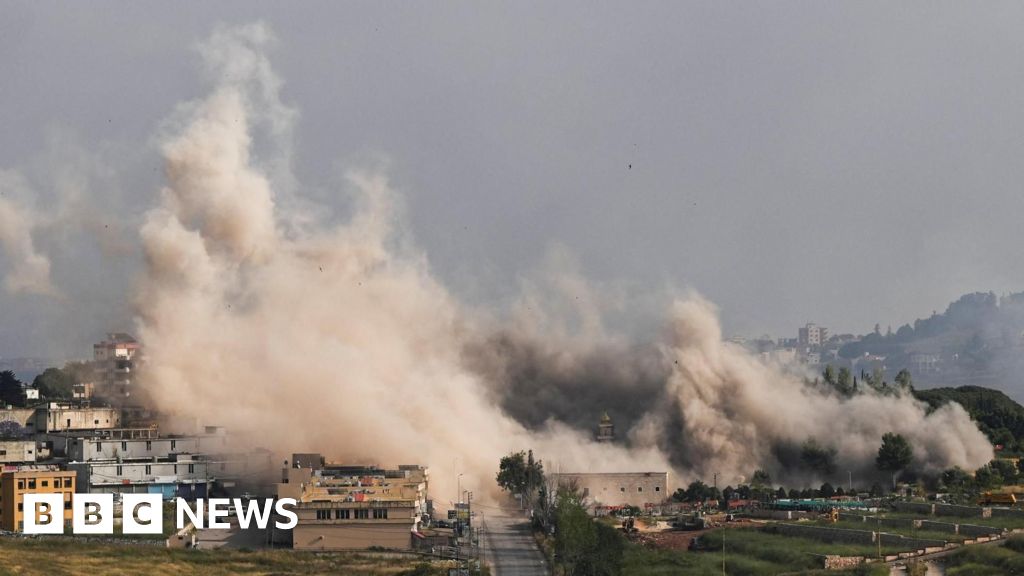
A new wave of intense violence has hit Lebanon and northern Israel, killing at least 31 people, including children, according to Lebanon’s health ministry. The escalation marks one of the most severe breakdowns of the US-brokered ceasefire that began in mid-April.
The Israeli military said it carried out strikes on more than 100 Hezbollah-linked infrastructure sites and fighters, describing the operation as one of its largest since the truce began. Targets reportedly included weapons depots, command centres, and observation posts across southern Lebanon and the Bekaa Valley.
The escalation followed a hardline statement from Israeli Prime Minister Benjamin Netanyahu, who said he had ordered forces to “press the pedal even harder” against Hezbollah and deepen military operations in Lebanon. He also said Israeli forces were “seizing dominant terrain” and strengthening what he described as a security buffer zone.
The Israeli army (IDF) said it is operating with large ground forces in southern Lebanon as part of efforts to reduce rocket and drone attacks targeting northern Israeli communities.
On the Lebanese side, officials reported that civilians continue to bear the heaviest toll. Strikes on the village of Mashghara killed at least 11 people, including a woman and two children, while dozens more were injured. Rescue teams described pulling survivors, including children, from collapsed buildings during overnight bombardments.
The Lebanese health ministry has now placed the death toll from Israeli strikes since March at more than 3,000 people, while Israel reports dozens of its soldiers and civilians have been killed in cross-border attacks since the conflict intensified.
The fighting continues to revolve around the long-standing confrontation between Israel and Hezbollah, which has been launching rockets and drones into northern Israel, while Israel responds with air and artillery strikes across southern Lebanon.
Israeli forces said they also struck areas near historic and densely populated sites, including regions close to the UNESCO-listed Beaufort Castle. Lebanese state media reported widespread destruction of homes and infrastructure in affected villages.
Tensions surged further after Hezbollah claimed responsibility for attacks on Israeli military positions in response to what it called repeated ceasefire violations. Israel, meanwhile, accused Hezbollah of breaking the truce and justified its expanded military response.
The situation has also triggered mass displacement, especially in Beirut’s southern suburbs, where residents fled overnight amid fears of escalating strikes.
Despite diplomatic efforts involving the United States, Israel, and regional mediators, the ceasefire remains fragile, with both sides continuing near-daily exchanges of fire.


0 Comments