
☀️ Good Afternoon! Stay informed with this latest update.
For the first time, Australia has recorded no new cervical cancer diganoses in women under 25.
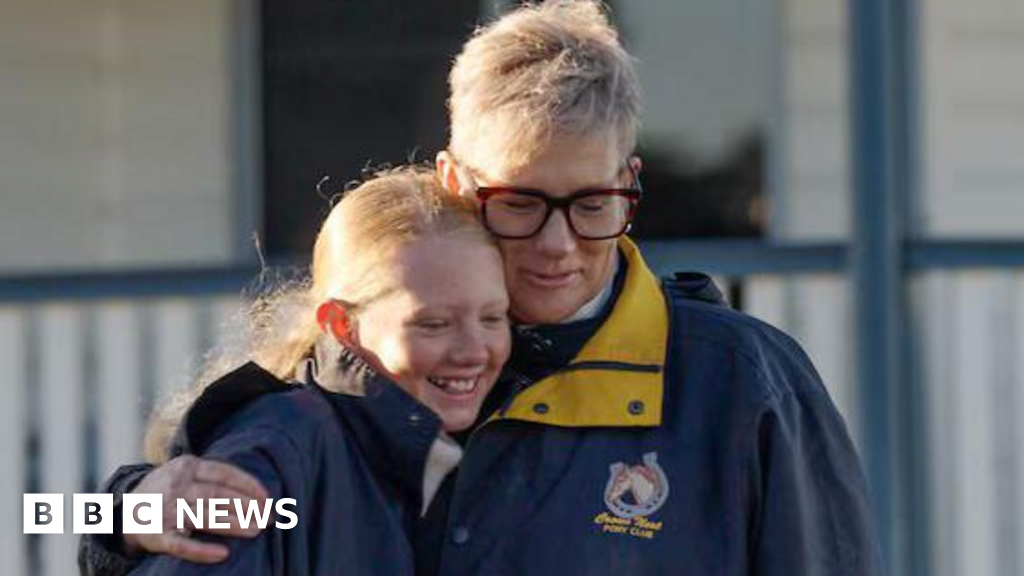
Watch LiveBritish Broadcasting CorporationHomeNewsSportBusinessTechnologyHealthCultureArtsTravelEarthAudioVideoLiveDocumentariesHomeNewsUS & CanadaUKUK PoliticsEnglandN. IrelandN. Ireland PoliticsScotlandScotland PoliticsWalesWales PoliticsAfricaAsiaChinaIndiaAustraliaEuropeLatin AmericaMiddle EastIn PicturesBBC InDepthBBC VerifySportBusinessWorld of BusinessTechnology of BusinessNYSE Opening BellTechnologyWatch DocumentariesArtificial IntelligenceIntelligence RevolutionAI v the MindTech NowHealthWatch DocumentariesCultureWatch DocumentariesFilm & TVMusicArt & DesignStyleBooksEntertainment NewsArtsWatch DocumentariesArts in MotionTravelWatch DocumentariesDestinationsAfricaAntarcticaAsiaAustralia and PacificCaribbean & BermudaCentral AmericaEuropeMiddle EastNorth AmericaSouth AmericaWorld’s TableCulture & ExperiencesAdventuresThe SpeciaListEarthWatch DocumentariesScienceNatural WondersClimate SolutionsSustainable BusinessGreen LivingAudioPodcast CategoriesRadioAudio FAQsVideoWatch DocumentariesBBC MaestroDiscover the WorldLiveLive NewsLive SportDocumentariesHomeNewsSportBusinessTechnologyHealthCultureArtsTravelEarthAudioVideoLiveDocumentariesWeatherNewslettersWatch LiveAustralia wants to become the first country to eliminate a cancer - can it?16 hours agoShareSaveAdd as preferred on GoogleTabby WilsonSydneyNathan Morris/Australian Broadcasting CorporationChrissy Walters' daughter is part of a generation Australia hopes will grow up without the burden of cervical cancerSix months after finally giving birth to her first child, following a years-long struggle to conceive, Chrissy Walters was told her daughter would likely grow up without her.
Walters had suffered a major bleed while at home in Toowoomba - a small city two hours inland of Brisbane - and several hospital visits, doctor appointments and biopsies later, the then 39-year-old was handed an advanced cervical cancer diagnosis.
"I just said to [my husband] Neil… there has been a huge mistake," Walters recalls.
She's now spent more than a decade undergoing treatments - both debilitating and incredibly invasive - but the cancer has spread to other parts of her body. Her doctors say her diagnosis is now terminal.
"I would never wish [this] on my worst enemy," she says.
Her daughter, now 12, has grown up with the disease omnipresent in her life - Walters says the family was having frank conversations about dying when she was as young as three.
But in 2026, her daughter has reached the age when Australia begins vaccinating children in its bid to eliminate the disease that will eventually take her mother's life.
The country is on track to do that within a decade, and is now racing other nations to become the first in the world to eliminate a form of cancer.
It's a scene familiar to many who've attended an Australian high school: a long line of fidgety 12 and 13-year-olds take their seat on a plastic chair, one by one, assured by a nurse that the needle will only hurt for a moment.
Minutes later, they head back to class, sporting a circular plaster on their upper arm.
There are three vaccinations offered to high school students as part of the National Immunisation Programme, including the human papillomavirus (HPV) vaccine.
Though HPV can have no symptoms, and even disappear without treatment, some high-risk strains can develop into cervical cancer, the fourth most common cancer in women worldwide.
Fortunately, it


0 Comments