
☀️ Good Afternoon! Stay informed with this latest update.
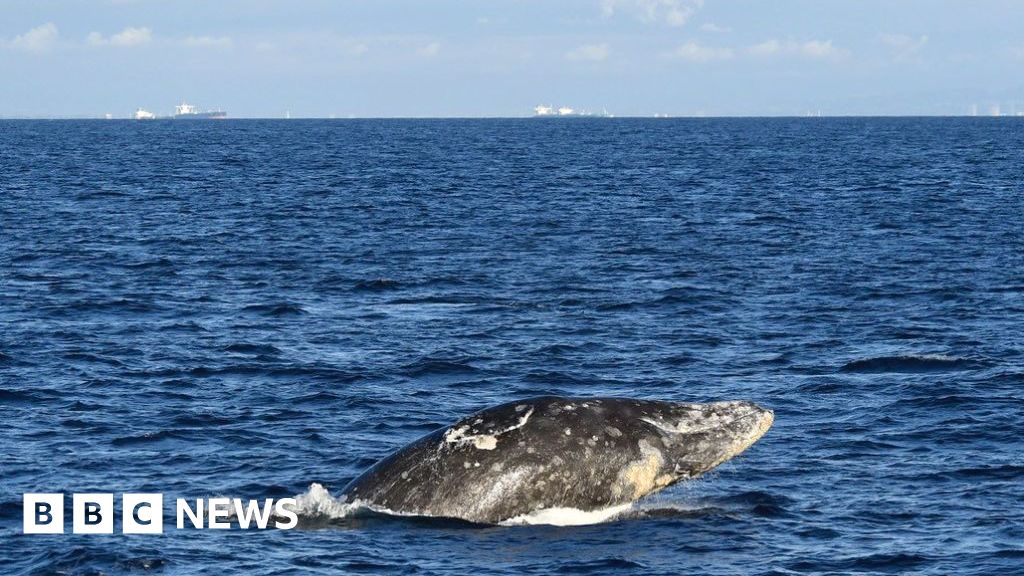
Hunger is a likely reason the whale, dubbed Willapa Willy, travelled inland, experts say.
Watch LiveBritish Broadcasting CorporationHomeNewsSportBusinessTechnologyHealthCultureArtsTravelEarthAudioVideoLiveDocumentariesHomeNewsUS & CanadaUKUK PoliticsEnglandN. IrelandN. Ireland PoliticsScotlandScotland PoliticsWalesWales PoliticsAfricaAsiaChinaIndiaAustraliaEuropeLatin AmericaMiddle EastIn PicturesBBC InDepthBBC VerifySportBusinessWorld of BusinessTechnology of BusinessNYSE Opening BellTechnologyWatch DocumentariesArtificial IntelligenceAI v the MindHealthWatch DocumentariesCultureWatch DocumentariesFilm & TVMusicArt & DesignStyleBooksEntertainment NewsArtsWatch DocumentariesArts in MotionTravelWatch DocumentariesDestinationsAfricaAntarcticaAsiaAustralia and PacificCaribbean & BermudaCentral AmericaEuropeMiddle EastNorth AmericaSouth AmericaWorld’s TableCulture & ExperiencesAdventuresThe SpeciaListEarthWatch DocumentariesScienceNatural WondersClimate SolutionsSustainable BusinessGreen LivingAudioPodcast CategoriesRadioAudio FAQsVideoWatch DocumentariesBBC MaestroDiscover the WorldLiveLive NewsLive SportDocumentariesHomeNewsSportBusinessTechnologyHealthCultureArtsTravelEarthAudioVideoLiveDocumentariesWeatherNewslettersWatch LiveYoung gray whale dies after swimming up river in Washington state4 hours agoShareSaveAdd as preferred on GoogleAdela SulimanGetty ImagesGray whales undertake long spring time migrations north up the Pacific Coast to feed in the Arctic (File picture)A young gray whale has been found dead after swimming 20 miles (32.2km) inland up a river in Washington state, a local scientific research group said, pointing to hunger as a possible cause.
"We are saddened to confirm that the whale seen in the Willapa River over the past few days is deceased," the Cascadia Research Collective said in an update on Facebook on Saturday.
It added the group was evaluating the safety of the locaction to carry out an examination.
The juvenile whale, affectionately dubbed "Willapa Willy" by locals, was first spotted last Wednesday in the north fork of the river, about 145 miles southwest of Seattle, the marine mammal research group said.
The whale, "although thin, was behaving normally," the group said at the time, with no sign of injuries.
Its teams had hoped the whale would find its own way out of the river but it failed to do so.
Gray whales undertake long spring time migrations north up the Pacific Coast to feed in the Arctic using up their nutritional reserves along the way, John Calambokidis, a research biologist with the Cascadia Research Collective, told the Associated Press. "When that happens, you often see gray whales in a more desperate search for new areas to feed," he added. "That's the most likely context for this whale."
Gray whales in the eastern part of the Pacific Ocean have faced reduced food availability in the northern Bering and Chukchi seas off Alaska's coast in recent years, Calambokidis said.
"Gray whales are facing a major crisis and the heart of it does seem to be feeding on their prey in the Arctic," he added.
Gray whales are a focus of whale watching and ecotourism along the west coast of North America and can grow to about 15 meters long (49 feet) and weigh approximately 40,000 kg (90,000 pounds), according the National Marine Fisheries Service in the United States.
They face threats from vessel strikes to entanglement in fishing gear on their long migration routes. They also tend to travel alone, &qu


0 Comments