
🌅 Good Morning! Here is your latest news update.
Footage shows staff in Pakistan injecting without gloves and reusing syringes, but the hospital boss refuses to acknowledge it is genuine.
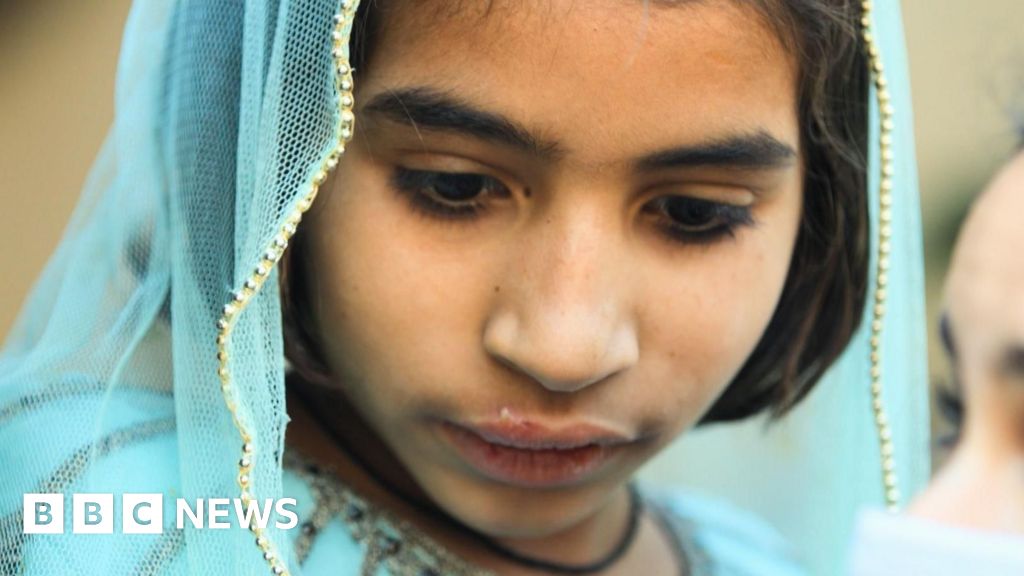
Watch LiveBritish Broadcasting CorporationHomeNewsSportBusinessTechnologyHealthCultureArtsTravelEarthAudioVideoLiveDocumentariesHomeNewsUS & CanadaUKUK PoliticsEnglandN. IrelandN. Ireland PoliticsScotlandScotland PoliticsWalesWales PoliticsAfricaAsiaChinaIndiaAustraliaEuropeLatin AmericaMiddle EastIn PicturesBBC InDepthBBC VerifySportBusinessWorld of BusinessTechnology of BusinessNYSE Opening BellTechnologyWatch DocumentariesArtificial IntelligenceAI v the MindHealthWatch DocumentariesCultureWatch DocumentariesFilm & TVMusicArt & DesignStyleBooksEntertainment NewsArtsWatch DocumentariesArts in MotionTravelWatch DocumentariesDestinationsAfricaAntarcticaAsiaAustralia and PacificCaribbean & BermudaCentral AmericaEuropeMiddle EastNorth AmericaSouth AmericaWorld’s TableCulture & ExperiencesAdventuresThe SpeciaListEarthWatch DocumentariesScienceNatural WondersClimate SolutionsSustainable BusinessGreen LivingAudioPodcast CategoriesRadioAudio FAQsVideoWatch DocumentariesBBC MaestroDiscover the WorldLiveLive NewsLive SportDocumentariesHomeNewsSportBusinessTechnologyHealthCultureArtsTravelEarthAudioVideoLiveDocumentariesWeatherNewslettersWatch LiveHospital at centre of child HIV outbreak caught reusing syringes in undercover filming10 hours agoShareSaveAdd as preferred on GoogleGhazal Abbasi, Seamus Mirodan and Mohammad Zubair KhanBBC Eye, Punjab, PakistanBBCAsma, 10, was diagnosed with HIV despite her mother, Sughra, testing negativeWarning: This story contains details that readers may find distressing
Mohammed Amin was eight when he died shortly after testing positive for HIV.
His fevers were so bad that he insisted on sleeping in the rain, and he writhed in pain "like he'd been thrown in hot oil", says his mother, Sughra.
"He used to fight with me, but he also loved me," 10-year-old Asma says as she kneels at her younger brother's graveside.
Not long after her brother contracted the virus, Asma was also diagnosed with HIV. Her family believe both children contracted it from injections with contaminated needles during routine medical treatment at a government hospital in Taunsa, in the province of Punjab, Pakistan.
They are two of the 331 children that BBC Eye has identified as testing positive for HIV in the city between November 2024 and October 2025.
After a doctor at a private clinic linked the outbreak to the hospital, called THQ Taunsa, in late 2024, local authorities promised a "massive crackdown" and suspended the hospital's medical superintendent in March 2025 – but a BBC Eye investigation can now reveal that dangerous injection practices continued months later.
During 32 hours of undercover filming at THQ Taunsa in late 2025, we witnessed syringes being reused on multi-dose vials of medicine on 10 separate occasions, potentially contaminating the drugs inside.
In four of these cases we saw medicine from the same vial given to a different child. We do not know if any of the children were HIV-positive but this practice creates a clear risk of viral transmission.
Undercover footage shows hospital volunteer reusing syringe after injecting a child, potentially contaminating the medicine"Even if they have attached a new needle, the back part, which we call the syringe body, has the virus in it, so it will transfer even with a new needle," said Dr Altaf Ahmed, a consultant microbiologist and one of Pakistan's leading infectious disease experts, after wat


0 Comments