
🌅 Good Morning! Here is your latest news update.
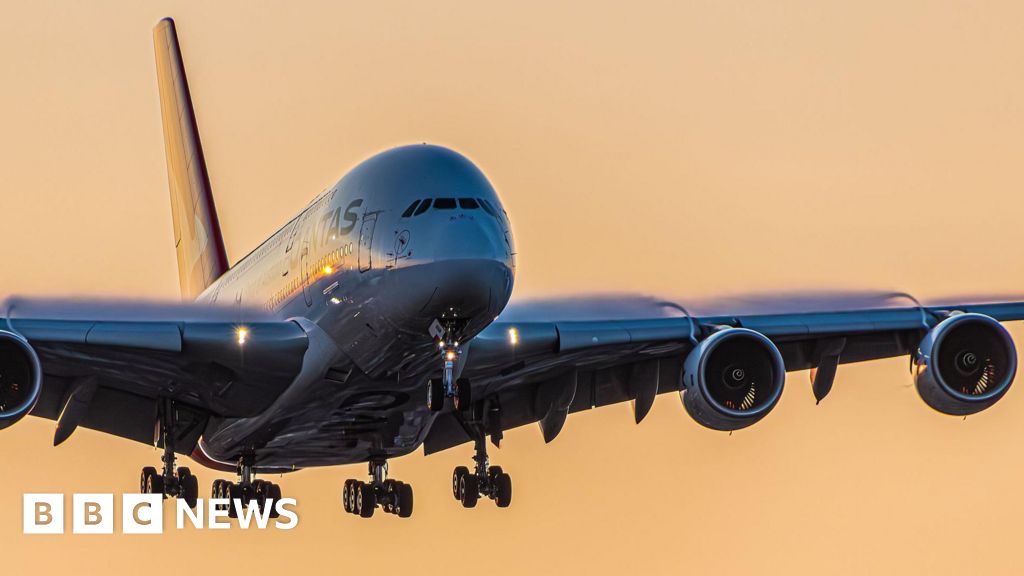
A drone attack on Azerbaijan has narrowed choices for airlines scrambling to respond to disruption in the Gulf.
Watch LiveBritish Broadcasting CorporationHomeNewsSportBusinessTechnologyHealthCultureArtsTravelEarthAudioVideoLiveDocumentariesHomeNewsUS & CanadaUKUK PoliticsEnglandN. IrelandN. Ireland PoliticsScotlandScotland PoliticsWalesWales PoliticsAfricaAsiaChinaIndiaAustraliaEuropeLatin AmericaMiddle EastIn PicturesBBC InDepthBBC VerifySportBusinessWorld of BusinessTechnology of BusinessNYSE Opening BellTechnologyWatch DocumentariesArtificial IntelligenceAI v the MindHealthWatch DocumentariesCultureWatch DocumentariesFilm & TVMusicArt & DesignStyleBooksEntertainment NewsArtsWatch DocumentariesArts in MotionTravelWatch DocumentariesDestinationsAfricaAntarcticaAsiaAustralia and PacificCaribbean & BermudaCentral AmericaEuropeMiddle EastNorth AmericaSouth AmericaWorld’s TableCulture & ExperiencesAdventuresThe SpeciaListEarthWatch DocumentariesScienceNatural WondersClimate SolutionsSustainable BusinessGreen LivingAudioPodcast CategoriesRadioAudio FAQsVideoWatch DocumentariesBBC MaestroDiscover the WorldLiveLive NewsLive SportDocumentariesHomeNewsSportBusinessTechnologyHealthCultureArtsTravelEarthAudioVideoLiveDocumentariesWeatherNewslettersWatch LiveFlight paths squeezed as Iran conflict closes more airspace 12 hours agoShareSaveLucy HookerBusiness reporterShareSaveGetty ImagesThe closure of airspace over the southern half of Azerbaijan is putting additional pressure on airlines scrambling to respond to disruption caused by the conflict in the Gulf.
Flight traffic had already been severely disrupted in a region which in normal times acts as a significant hub for the global airline industry.
But a drone attack on the small central Asian country has squeezed many flights into a narrow corridor across the north of the country.
Aviation expert John Strickland said there was now a "very tight range of options for airlines" trying to navigate the current situation.
Western airlines have had to avoid Russian airspace, including Siberia, since the invasion of Ukraine in 2022. Now all flights are also steering clear of Iran and Iraq airspace, seeking alternative routes to the north or south.
Flightradar24 data maps show real-time congestion in an approximately 100km wide strip across the north of Azerbaijan, a country roughly the size of Portugal.
Gulf airlines have begun to operate more flights out of the UAE and Oman, helping to evacuate stranded travellers, but there are no flights out of Qatar and capacity remains well below normal levels, said Opsgroup, which provides risk information for the industry.
"The central corridor across Iran, Iraq and the Gulf is effectively closed, so most traffic is going either north via the Caucasus and Afghanistan, or south via Egypt/Saudi/Oman," said David Mumford, international operations specialist at Opsgroup.
"Both routes are longer and busier than usual, so flight times and fuel burn are higher."
Air traffic reduced sharply after the attacks began on Saturday as airlines were forced to use more limited corridors, as the map below shows.
Aviation consultant Strickland said passengers could find their flight times extended due to longer routings.
"Flights already doing circuitous routing have even less choice," he said.
Some airlines had begun to adapt routes in recent weeks as tension built in the Gulf, he said. This week even more flights were forced to switch to routes further south to avoid the conflict zone.
There was likely to be congesti


0 Comments