
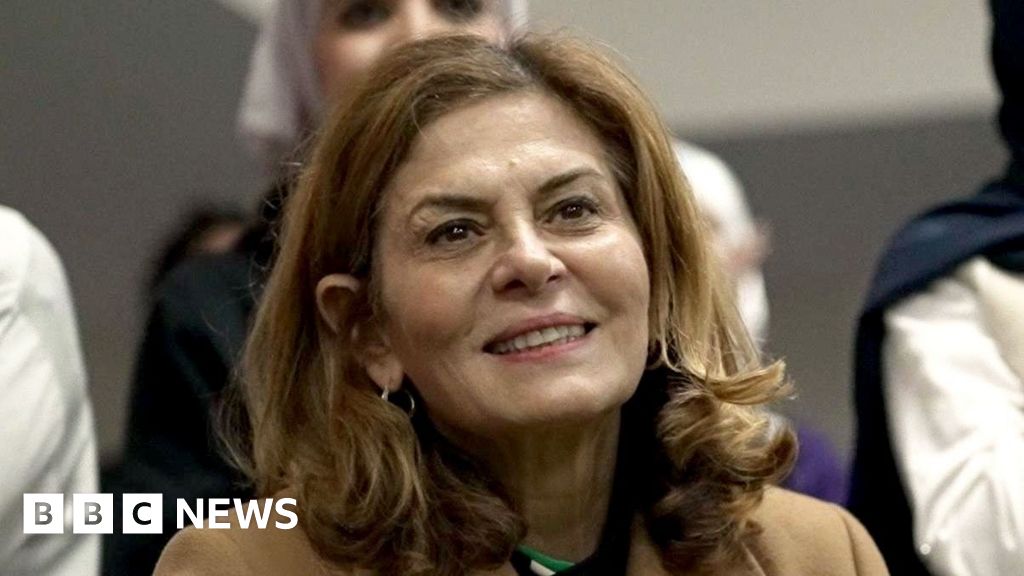
The BBC's Lyse Doucet follows Hind Kabawat as she confronts the challenges of fragmented, post-Assad Syria.
Watch LiveBritish Broadcasting CorporationHomeNewsSportBusinessTechnologyHealthCultureArtsTravelEarthAudioVideoLiveDocumentariesHomeNewsUS & CanadaUKUK PoliticsEnglandN. IrelandN. Ireland PoliticsScotlandScotland PoliticsWalesWales PoliticsAfricaAsiaChinaIndiaAustraliaEuropeLatin AmericaMiddle EastIn PicturesBBC InDepthBBC VerifySportBusinessWorld of BusinessTechnology of BusinessNYSE Opening BellTechnologyWatch DocumentariesArtificial IntelligenceAI v the MindHealthWatch DocumentariesCultureWatch DocumentariesFilm & TVMusicArt & DesignStyleBooksEntertainment NewsArtsWatch DocumentariesArts in MotionTravelWatch DocumentariesDestinationsAfricaAntarcticaAsiaAustralia and PacificCaribbean & BermudaCentral AmericaEuropeMiddle EastNorth AmericaSouth AmericaWorld’s TableCulture & ExperiencesAdventuresThe SpeciaListEarthWatch DocumentariesScienceNatural WondersClimate SolutionsSustainable BusinessGreen LivingAudioPodcast CategoriesRadioAudio FAQsVideoWatch DocumentariesBBC MaestroDiscover the WorldLiveLive NewsLive SportDocumentariesHomeNewsSportBusinessTechnologyHealthCultureArtsTravelEarthAudioVideoLiveDocumentariesWeatherNewslettersWatch LiveSyria's only female minister pushes for change: 'I'm not here for window dressing'7 hours agoShareSaveLyse Doucet,chief international correspondentandLina Shaikhouni,BBC World Service, SyriaShareSaveBBCHind Kabawat says she would not stay in the role if she was not free to set her own strategy"On the first day, I asked 'why are there no more women?'," says Hind Kabawat.
She is Syria's minister for social affairs and labour - the only female minister in the transitional government tasked with navigating the country's jagged road from war to peace.
Sectarian violence, which has killed thousands of people, has marred its first months in power, with many of Syria's minority communities blaming government forces.
Once an opposition leader in exile, Kabawat acknowledges the government has made mistakes since President Ahmed al-Sharaa's rebel forces swept into the capital on 8 December 2024, ending decades of the Assad family's brutal dictatorship.
But she insists "mistakes happen in transition".
Kabawat also says one of the president's biggest mistakes has not been appointing other women in his cabinet, though she says he has assured her there will be more.
In his cabinet - which is dominated by his close comrades and some former fighters - she faces a challenging juggling act.
We followed Kabawat for our special report for the BBC's Global Women and saw up close how her array of dossiers cover Syria's most vulnerable, including orphans and widows, as well as the grieving families of the tens of thousands who disappeared during Assad's regime.
Another pressing priority is to create jobs and find homes for the millions displaced during nearly 14 years of civil war, and easing the suffering of those fleeing the latest clashes among communities.
Everything is urgent in a broken country - which is also broke. The United Nations says 90% of Syrians live below the poverty line.
In early January, Kabawat rushed to the northern city of Aleppo to visit shelters harbouring thousands of people after fighting flared between government forces and the Kurdish-led Syrian Democratic Forces (SDF) who have long dominated north-eastern Syria.
Last summer, she tried to bring aid into a southern city popul


0 Comments