
A leak exposes for the first time the extent of Russia’s misuse of Interpol to request the arrest of critics.
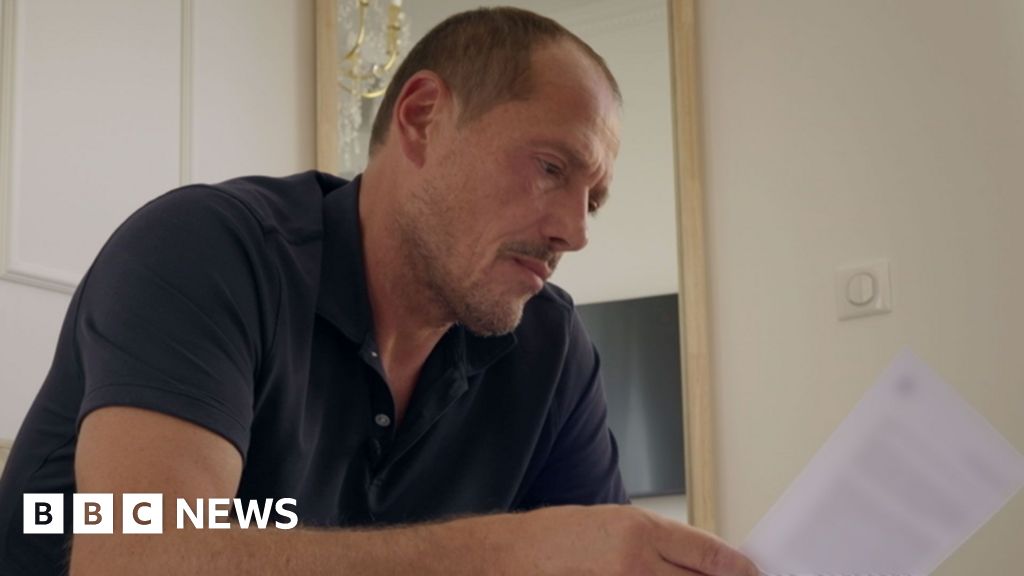
Watch LiveBritish Broadcasting CorporationHomeNewsSportBusinessInnovationHealthCultureArtsTravelEarthAudioVideoLiveDocumentariesHomeNewsIsrael-Gaza WarWar in UkraineUS & CanadaUKUK PoliticsEnglandN. IrelandN. Ireland PoliticsScotlandScotland PoliticsWalesWales PoliticsAfricaAsiaChinaIndiaAustraliaEuropeLatin AmericaMiddle EastIn PicturesBBC InDepthBBC VerifySportBusinessWorld of BusinessTechnology of BusinessNYSE Opening BellInnovationWatch DocumentariesTechnologyScienceArtificial IntelligenceAI v the MindHealthWatch DocumentariesCultureWatch DocumentariesFilm & TVMusicArt & DesignStyleBooksEntertainment NewsArtsWatch DocumentariesArts in MotionTravelWatch DocumentariesDestinationsAfricaAntarcticaAsiaAustralia and PacificCaribbean & BermudaCentral AmericaEuropeMiddle EastNorth AmericaSouth AmericaWorld’s TableCulture & ExperiencesAdventuresThe SpeciaListEarthWatch DocumentariesNatural WondersWeather & ScienceClimate SolutionsSustainable BusinessGreen LivingAudioPodcast CategoriesRadioAudio FAQsVideoWatch DocumentariesBBC MaestroDiscover the WorldLiveLive NewsLive SportDocumentariesHomeNewsSportBusinessInnovationHealthCultureArtsTravelEarthAudioVideoLiveDocumentariesWeatherNewslettersWatch LiveRussia using Interpol's wanted list to target critics abroad, leak reveals9 hours agoShareSaveCate Brown,BBC Eye Investigations,Max HudsonandJulia Luft,BBC Eye InvestigationsShareSaveBBCBusinessman Igor Pestrikov found Moscow had put him on a wanted list after he fled Russia in 2022Thousands of files provided by a whistleblower at Interpol expose for the first time the extent of Russia's apparent abuse of the international policing agency to target its critics abroad.
The data provided to the BBC World Service and French investigative outlet, Disclose, reveals that Russia is using Interpol's wanted lists to request the arrest of people such as political opponents, businessmen and journalists, claiming that they have committed crimes.
Analysis of data also suggests that over the past decade, Interpol's own independent complaints unit has received more complaints about Russia than anyone else - three times more than the next highest country, Turkey.
In addition, it indicates complaints against Moscow's requests have led to more cases being overturned than for any other country.
After Russia's full-scale invasion of Ukraine, Interpol introduced extra checks on Moscow's activity "to prevent any potential misuse of Interpol's channels in relation to the targeting of individuals within or beyond the conflict in Ukraine".
But the leaked documents suggest these did not prevent Russia abusing the system and the whistleblower told us some stricter measures were quietly dropped in 2025.
In response, Interpol says that every year, thousands of the world's most serious criminals are arrested thanks to its operations and that it has a number of systems to avoid misuse which have been strengthened over the last few years.
It also says it is aware of the potential impact requests for arrest can have on individuals.
"When you're hit with a red notice, your life changes completely," says Igor Pestrikov, a Russian businessman, whose name appears in the leaked files.
Interpol is not a global police force itself, but helps police across the world to co-operate.
A red notice is an alert to all of its 196 member countries, asking them to locate and arrest a person. A r


0 Comments