
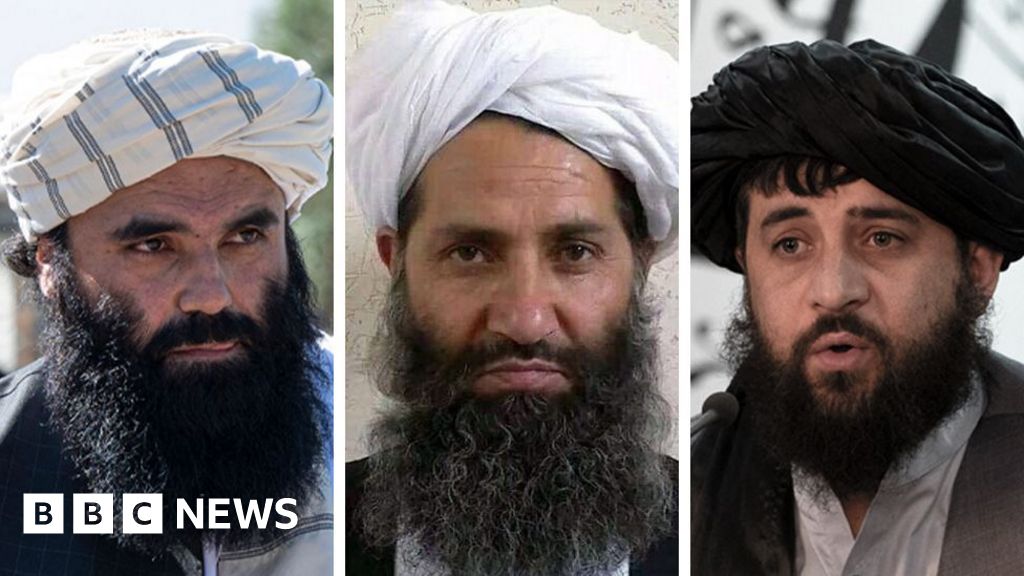
The Taliban leader once warned of a split: A BBC investigation reveals how attitudes to women, the internet and religion are dividing the group at the very top.
Watch LiveBritish Broadcasting CorporationHomeNewsSportBusinessInnovationHealthCultureArtsTravelEarthAudioVideoLiveDocumentariesHomeNewsIsrael-Gaza WarWar in UkraineUS & CanadaUKUK PoliticsEnglandN. IrelandN. Ireland PoliticsScotlandScotland PoliticsWalesWales PoliticsAfricaAsiaChinaIndiaAustraliaEuropeLatin AmericaMiddle EastIn PicturesBBC InDepthBBC VerifySportBusinessExecutive LoungeTechnology of BusinessFuture of BusinessInnovationWatch DocumentariesTechnologyScienceArtificial IntelligenceAI v the MindHealthWatch DocumentariesCultureWatch DocumentariesFilm & TVMusicArt & DesignStyleBooksEntertainment NewsArtsWatch DocumentariesArts in MotionTravelWatch DocumentariesDestinationsAfricaAntarcticaAsiaAustralia and PacificCaribbean & BermudaCentral AmericaEuropeMiddle EastNorth AmericaSouth AmericaWorld’s TableCulture & ExperiencesAdventuresThe SpeciaListEarthWatch DocumentariesNatural WondersWeather & ScienceClimate SolutionsSustainable BusinessGreen LivingAudioPodcast CategoriesRadioAudio FAQsVideoWatch DocumentariesBBC MaestroDiscover the WorldLiveLive NewsLive SportDocumentariesHomeNewsSportBusinessInnovationHealthCultureArtsTravelEarthAudioVideoLiveDocumentariesWeatherNewslettersWatch LiveRift at top of the Taliban: BBC reveals clash of wills behind internet shutdown1 hour agoShareSaveBBC AfghanShareSaveAFP via Getty ImagesIt was a piece of audio obtained by the BBC that revealed what worries the Taliban's leader most.
Not an external danger, but one from within Afghanistan, which the Taliban seized control of as the previous government collapsed and the US withdrew in 2021.
He warned of "insiders in the government" pitted against each other in the Islamic Emirate the Taliban set up to govern the country.
In the leaked clip, the supreme leader Hibatullah Akhundzada can be heard giving a speech saying that internal disagreements could eventually bring them all down.
"As a result of these divisions, the emirate will collapse and end," he warned.
The speech, made to Taliban members at a madrassa in the southern city of Kandahar in January 2025, was more fuel to the fire of rumours which had been circulating for months - rumours of differences at the very top of the Taliban.
It is a split the Taliban leadership has always denied - including when asked directly by the BBC.
But the rumours prompted the BBC's Afghan service to begin a year-long investigation into the highly secretive group - conducting more than 100 interviews with current and former members of the Taliban, as well as local sources, experts and former diplomats.
Because of the sensitivity over reporting this story, the BBC has agreed not to identify them for their safety.
Now, for the first time, we have been able to map two distinct groups at the very top of the Taliban - each presenting competing visions for Afghanistan.
One entirely loyal to Akhundzada, who, from his base in Kandahar, is driving the country towards his vision of a strict Islamic Emirate - isolated from the modern world, where religious figures loyal to him control every aspect of society.
And a second, made up of powerful Taliban members largely based in the capital Kabul, advocating for an Afghanistan which - while still following a strict interpretation of Islam - engages with the outside, builds the country's economy, and even allows girls and women access to an education they are currently denied beyond primary school.
One inside


0 Comments