
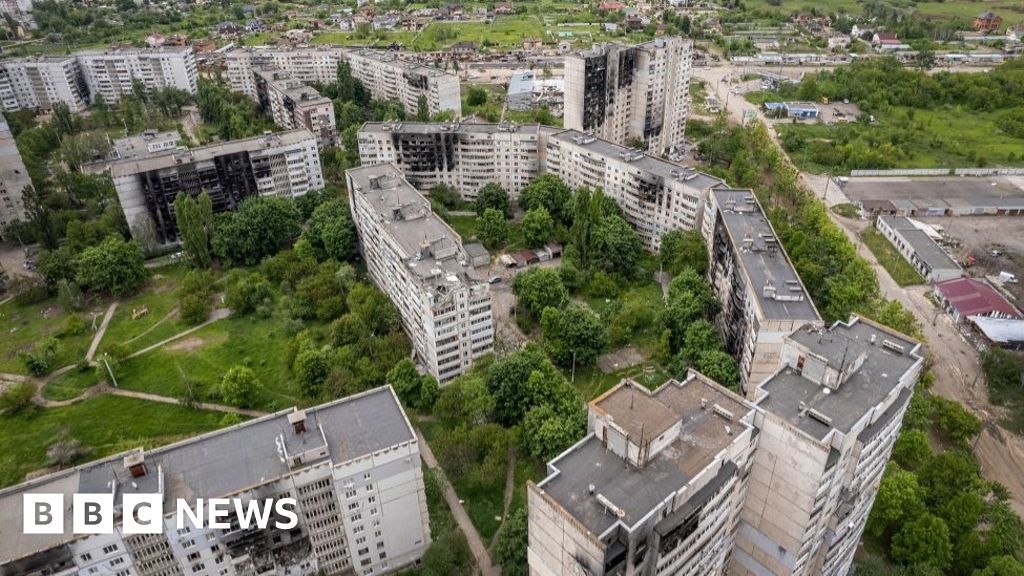
Thousands of people are affected when heating plants are targeted by Russian forces.
Watch LiveBritish Broadcasting CorporationHomeNewsSportBusinessInnovationHealthCultureArtsTravelEarthAudioVideoLiveDocumentariesHomeNewsIsrael-Gaza WarWar in UkraineUS & CanadaUKUK PoliticsEnglandN. IrelandN. Ireland PoliticsScotlandScotland PoliticsWalesWales PoliticsAfricaAsiaChinaIndiaAustraliaEuropeLatin AmericaMiddle EastIn PicturesBBC InDepthBBC VerifySportBusinessWorld of BusinessTechnology of BusinessNYSE Opening BellInnovationWatch DocumentariesTechnology (Innovation)ScienceArtificial Intelligence (Innovation)AI v the Mind (Innovation)HealthWatch DocumentariesCultureWatch DocumentariesFilm & TVMusicArt & DesignStyleBooksEntertainment NewsArtsWatch DocumentariesArts in MotionTravelWatch DocumentariesDestinationsAfricaAntarcticaAsiaAustralia and PacificCaribbean & BermudaCentral AmericaEuropeMiddle EastNorth AmericaSouth AmericaWorld’s TableCulture & ExperiencesAdventuresThe SpeciaListEarthWatch DocumentariesNatural WondersWeather & ScienceClimate SolutionsSustainable BusinessGreen LivingAudioPodcast CategoriesRadioAudio FAQsVideoWatch DocumentariesBBC MaestroDiscover the WorldLiveLive NewsLive SportDocumentariesHomeNewsSportBusinessInnovationHealthCultureArtsTravelEarthAudioVideoLiveDocumentariesWeatherNewslettersWatch LiveHow Soviet urban planning is helping Russia freeze Ukraine1 hour agoShareSaveVitaliy ShevchenkoRussia editor, BBC MonitoringShareSaveGetty ImagesSoviet-era apartment blocks in Ukrainian city of KharkivUkraine is now living through its most difficult winter in recent memory.
With January temperatures plummeting below -15C, Russia has been attacking energy infrastructure, leaving about a million Ukrainians without heating.
The capital, Kyiv, is the main target of such attacks. Following the latest Russian bombardment overnight into 24 January, almost 6,000 apartment blocks were left without heating, according to mayor Vitaly Klitschko.
This is the third such Russian attack targeting Kyiv's heating infrastructure in little more than two weeks, after strikes on 9 and 20 January also left hundreds of thousands freezing in their flats.
"Living in Kyiv is a bit of a gamble these days," one resident of the Ukrainian capital, Rita, told the BBC.
"If you have heating and gas, there is no electricity and water. If you have electricity and water, there is no heating.
"Coming home is like playing a guessing game every day - will I be able to shower or have hot tea, or neither? And of course missiles and drones come on top of all that."
She says she has to go to bed wearing a hat and several layers of clothing.
What is making things much worse for Ukraine and easier for Russia is the widespread prevalence of apartment blocks that rely on communal central heating - where water is heated up elsewhere and then pumped into their radiators.
Heating plants in Ukraine are huge and many thousands of people are affected when they are targeted by Russian forces. Ukraine says that all such power plants have now been hit.
Such attacks also disrupt electricity supplies, but while a generator or battery pack might help in this situation, heating is less straightforward - especially when there is also no electricity to power your heater.
Kyivteploenergo, the monopoly supplying heating and hot water in the Ukrainian capital, told the BBC "the absolute majority" of houses in Kyiv rely on its services. It said it could not share the exact number for security reasons.


0 Comments